
Global Coffee Roundup: Week of 11th to 17th Nov 2025
- ADITYA Kumar
- Nov 18, 2025
- 5 min read

What a week it's been in the coffee world! From major policy shifts in Washington to new partnerships spanning continents, November 11-17 delivered some of the most significant coffee industry news we've seen all year. Let's dive into everything that happened.
Trump Administration Shakes Up Coffee Tariffs
The biggest story of the week came on November 14 when President Trump ordered a major rollback of reciprocal tariffs on agricultural products. For most coffee lovers and importers, this was fantastic news – the administration eliminated the 10% baseline tariff and additional duties on coffee imports from major producing countries like Colombia and Honduras.
But here's where it gets interesting: Brazilian coffee might still face that hefty 40% tariff. And we're talking about Brazil here – they supply roughly a third of the world's coffee and about 35% of U.S. green coffee imports by value. That's huge.
The Brazilian coffee exporters council Cecafé is scrambling to figure out exactly what this means, stating they're "in contact with American counterparts to carefully analyze the situation." Meanwhile, the National Coffee Association of the United States applauded the tariff removal for most imports, calling it relief for "the two-thirds of American adults who rely on coffee each day."
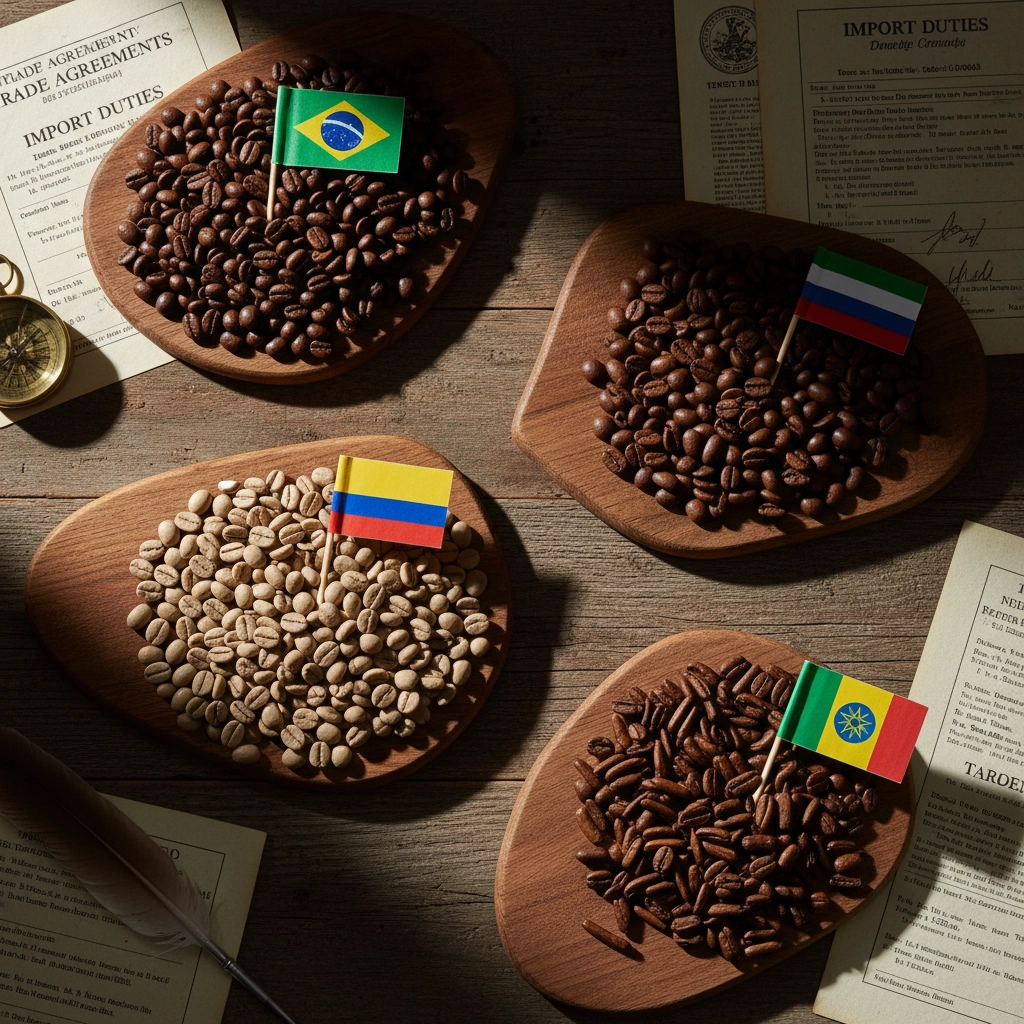
What does this mean for your morning cup? Well, if you're drinking Colombian or Honduran coffee, prices might start looking better. But if you're a fan of Brazilian beans (and let's face it, many of us are), you might be looking at continued higher prices until this gets sorted out.
China's Growing Love Affair with Coffee
While tariff drama unfolded in the US, some exciting developments were happening on the other side of the Pacific. Colombia secured major new coffee export deals with Chinese buyers on November 11, expanding into both specialty and commercial markets. These aren't just one-off purchases either – we're talking longer-term contracts that promise better incomes for Colombian farmers.
But Colombia wasn't the only one making moves in China. African coffee exporters had a fantastic week, securing distribution agreements with Chinese importers and café chains. They landed pilot orders, retail listings, and initiated supply chain discussions for traceable, single-origin beans. This is particularly exciting because it shows China's coffee market isn't just growing – it's getting more sophisticated.
The Chinese coffee boom is real, and it's creating opportunities for coffee producers worldwide. For those of us who appreciate diverse, high-quality beans, this expansion means more investment in quality farming practices and better infrastructure in producing countries.
Market Numbers Tell an Interesting Story
Coffee futures had quite the ride this week. Arabica prices settled near $3.9 to $4 per pound, hitting their lowest point in over a week. Now, before you panic about volatility, there's some good news on the horizon.

Industry analysts are painting a pretty optimistic picture for 2026/27. Rabobank is forecasting a global coffee market surplus of 7-10 million bags, largely thanks to Brazil's production recovery. StoneX went even further, projecting a record-breaking 70.7 million-bag crop in Brazil for 2026/27 – that's a 13.5% increase from the previous year.
This potential abundance is especially welcome news considering we've been dealing with supply shortages from 2021-2024. For coffee shops like ours at Woodpeckers Coffee Trading House, this could mean more stable pricing and better availability of premium beans.
Corporate Moves and Partnerships
The corporate side of coffee had its share of news too. Lavazza made headlines on November 11 by extending their partnership with tennis champion Jannik Sinner through 2030. Sinner will continue as their brand ambassador, appearing at Grand Slam events and participating in marketing campaigns designed to boost global visibility and premium coffee positioning.
It's smart marketing when you think about it – tennis tournaments happen worldwide, and there's something appealing about associating your coffee with peak performance and international competition.
Paris Baguette also made a strategic move, appointing Zac Sulma as their new chief operating officer. While this might seem like routine corporate news, these leadership changes often signal broader strategic shifts in how major food and beverage companies approach their coffee offerings.
Surprising Trade Pattern Shifts
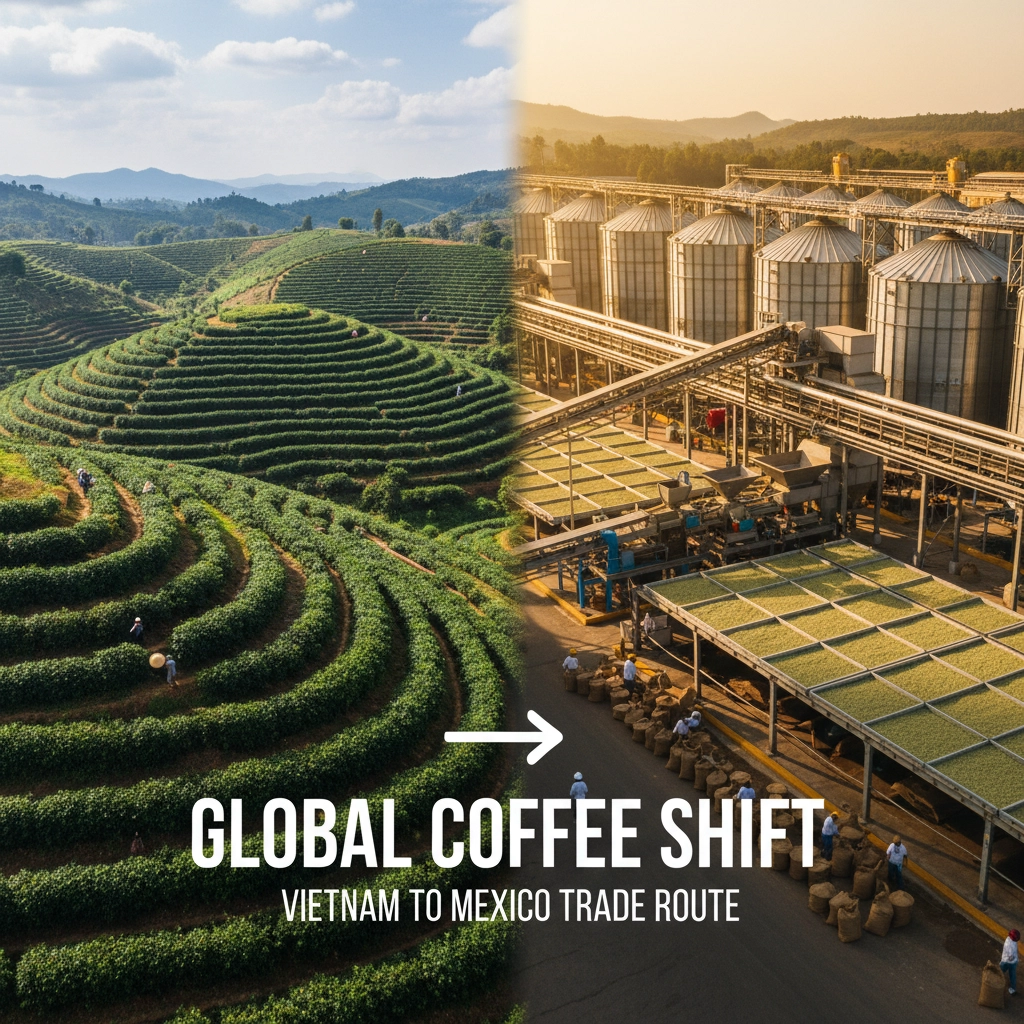
One of the more unexpected stories this week was Mexico's dramatic shift in coffee sourcing. Mexican imports of Vietnamese coffee surged nearly 35-fold in early November. That's not a typo – thirty-five times more Vietnamese coffee flowing into Mexico.
This kind of dramatic shift in trade patterns usually signals either supply chain disruptions elsewhere or significant price advantages. Given Vietnam's position as the world's second-largest coffee producer (primarily robusta), this could indicate that Mexican roasters and distributors are diversifying their supply chains or taking advantage of competitive pricing.
For coffee enthusiasts, these shifting patterns can eventually translate to new flavor profiles appearing in your local coffee shops as roasters experiment with different origin combinations.
Ecuador Celebrates Trade Wins
Ecuador had reason to celebrate this week, reporting that more than 15 of their products – including coffee, cacao, and tropical fruits – are benefiting from U.S. tariff exemptions. This is particularly good news for Ecuadorian coffee, which has been gaining recognition in specialty coffee circles for its unique flavor profiles and growing emphasis on sustainable farming practices.
The country is also working on a comprehensive trade deal with the United States, which could further boost their coffee exports. For those of us always on the hunt for interesting single-origin options, Ecuador's improved market access could mean more availability of their distinctive beans.
What This All Means for Coffee Lovers
So what should you take away from this busy week in coffee news? A few key points:
Price Stability Ahead: The projected production increases, especially from Brazil, suggest we might see more stable pricing in 2026/27 after years of supply-driven volatility.
Quality Improvements: China's growing demand for specialty coffee is encouraging producing countries to invest more in quality farming and processing methods.
Supply Chain Diversification: The dramatic shift in Mexican coffee sourcing shows how quickly trade patterns can change, potentially bringing new flavors and options to market.
Policy Impact: The U.S. tariff changes demonstrate how quickly government policies can affect coffee prices and availability.
For those of us passionate about coffee quality and sustainability, these developments are largely positive. More stable supplies should help farmers invest in long-term improvements, while growing international demand encourages higher quality standards across the board.
At Woodpeckers Coffee Trading House, we're watching these developments closely as they directly impact our sourcing decisions and the beans we can offer our customers. Whether you're interested in our Araku Valley organic options or our Chikmagalur single-origin beans, global market dynamics ultimately influence what ends up in your cup.
The week of November 11-17 will likely be remembered as a turning point – when trade policies shifted, new partnerships formed, and the global coffee community adapted once again to changing circumstances. For an industry built on relationships between farmers, traders, roasters, and coffee lovers, this kind of dynamic change is just part of what makes coffee such a fascinating global commodity.
Keep an eye on Brazilian tariff developments in the coming weeks – they could significantly impact coffee pricing and availability across North America. And if you're adventurous with your coffee choices, watch for new origins and flavor profiles as these trade shifts work their way through the supply chain.
Comments