
Global Coffee Roundup: Week of 26th Nov to 2nd Dec 2025

What a week it's been in the coffee world! As we wrap up another eventful seven days, there's plenty to unpack from market movements to production forecasts that'll shape our cups in the months ahead. Let's dive into the key developments that caught our attention this week.
Market Movements: A Week of Corrections
The coffee markets took a breather this week, with both arabica and robusta futures experiencing some downward pressure. March arabica coffee slipped 2.60 points (-0.68%), while January ICE robusta dropped 80 points (-1.75%). These declines brought prices to their lowest levels in a week, marking what many traders are calling a technical correction after recent volatility.

What's driving this pullback? It's primarily about supply outlook improvements and some market rebalancing. The improved global coffee supply situation has given traders a bit more breathing room, though underlying fundamentals remain tight in several key areas.
Inventory Squeeze Continues Despite Price Dips
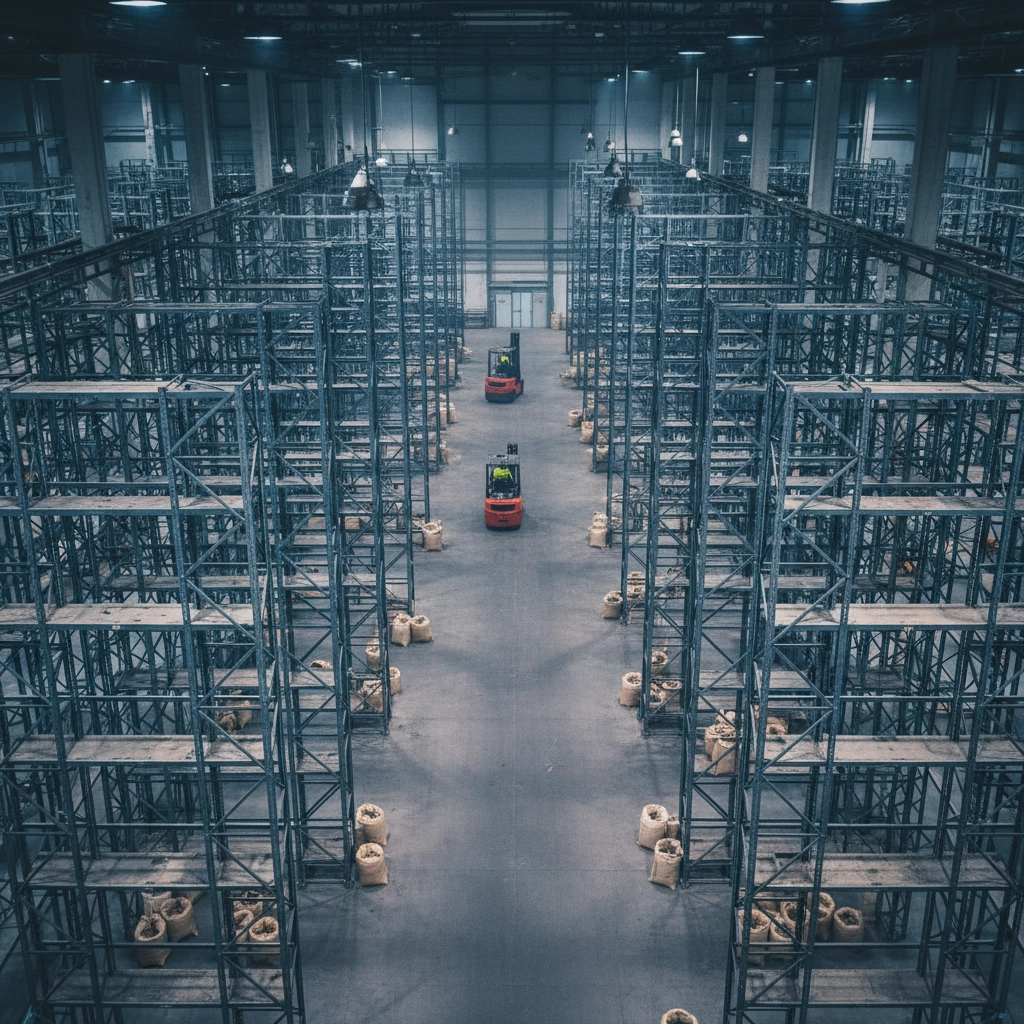
Here's where things get interesting – despite the price declines, inventory levels are telling a different story entirely. ICE-monitored arabica inventories have fallen to a concerning 1.75-year low of just 398,645 bags. That's a significant tightening that's keeping many in the trade on edge.
The robusta situation isn't much better, with ICE robusta inventories dropping to a 6.75-month low of 4,342 lots. These inventory squeezes are creating an underlying tension in the market that could quickly flip sentiment if any supply disruptions emerge.
US-Brazil Trade Tensions Heat Up
One of the biggest stories this week centers on the ongoing trade tensions between the US and Brazil. American coffee buyers have been canceling contracts for Brazilian coffee purchases in response to tariffs, and the numbers are striking. US coffee imports from Brazil plummeted by 52% from August through October compared to the same period last year, dropping to just 983,970 bags.
This dramatic shift is reshaping trade flows and forcing US roasters to look elsewhere for their green coffee needs. The ripple effects are being felt across the market, with other origins seeing increased interest from American buyers seeking alternatives to Brazilian coffee.
Brazil's Production Forecast Gets a Major Boost
Speaking of Brazil, there's some potentially game-changing news on the production front. StoneX has projected that Brazil will produce a whopping 70.7 million bags in the 2026/27 marketing year, including 47.2 million bags of arabica. This represents a massive 29% year-over-year increase that could significantly alter global supply dynamics.
If these forecasts prove accurate, it would mark one of Brazil's strongest production years in recent memory. The combination of favorable weather conditions and recovering trees from previous stress periods appears to be setting the stage for this bumper crop.
Vietnam Surges Ahead in Robusta Markets
Vietnam continues to assert its dominance in the robusta space with impressive export figures. The country's coffee exports for January through October 2025 surged 13.4% year-over-year to 1.31 million metric tons. Looking ahead, 2025/26 coffee production is projected to reach 1.76 million metric tons, or 29.4 million bags – marking a 4-year high.
These robust Vietnamese numbers are providing much-needed stability to the global robusta supply chain, especially important given the ongoing inventory tightness we're seeing in warehouse stocks.
EU Deforestation Law Delay Provides Relief
The European Union's decision to delay its deforestation regulation (EUDR) by one year has provided significant relief to coffee traders and producers worldwide. This delay allows continued imports of coffee and other agricultural commodities from regions experiencing deforestation challenges, helping to keep global coffee supplies more accessible.
The delay gives producers additional time to implement necessary sustainability measures while preventing potential supply disruptions that could have impacted European coffee imports significantly.
Regional Spotlight: Asia's Growing Influence
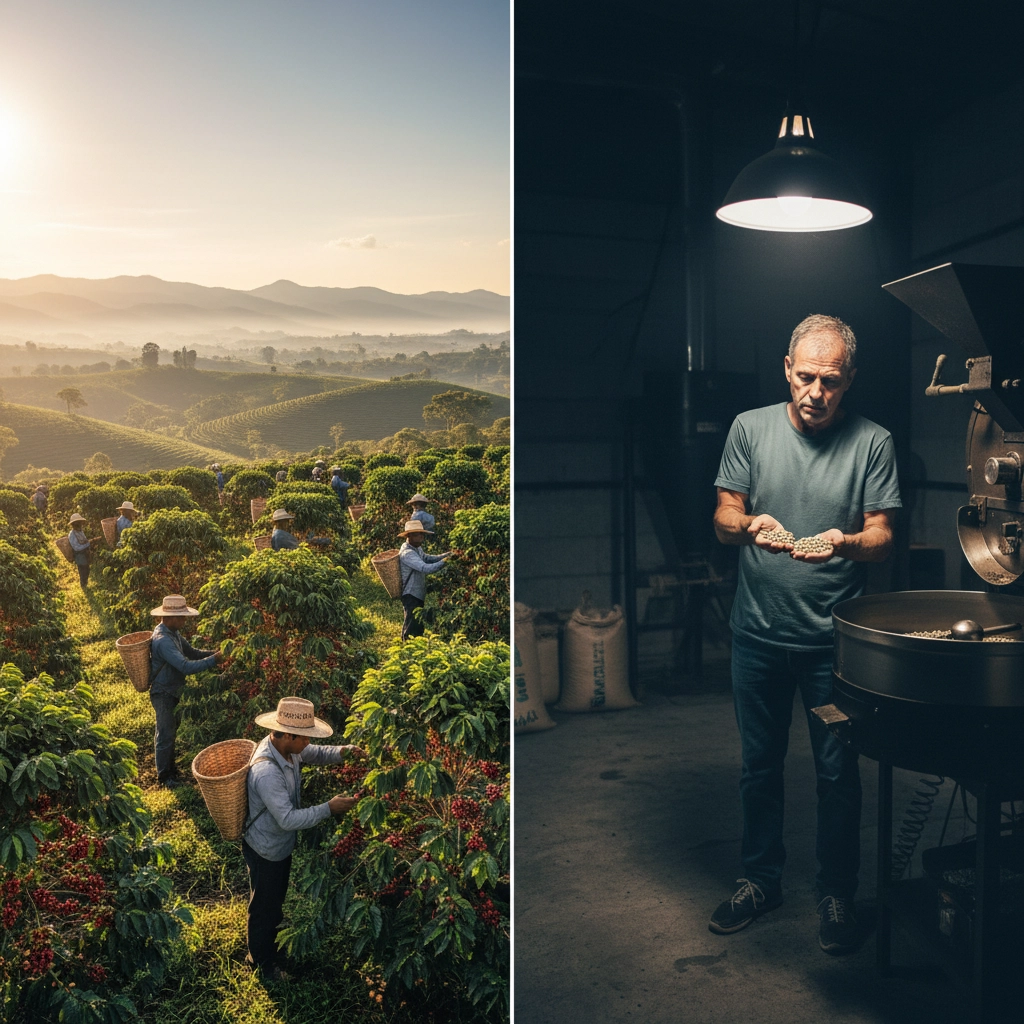
This week, we're turning our spotlight to Asia, where several exciting developments are reshaping the coffee landscape. Beyond Vietnam's impressive export performance, the region is experiencing a renaissance in specialty coffee production and consumption.
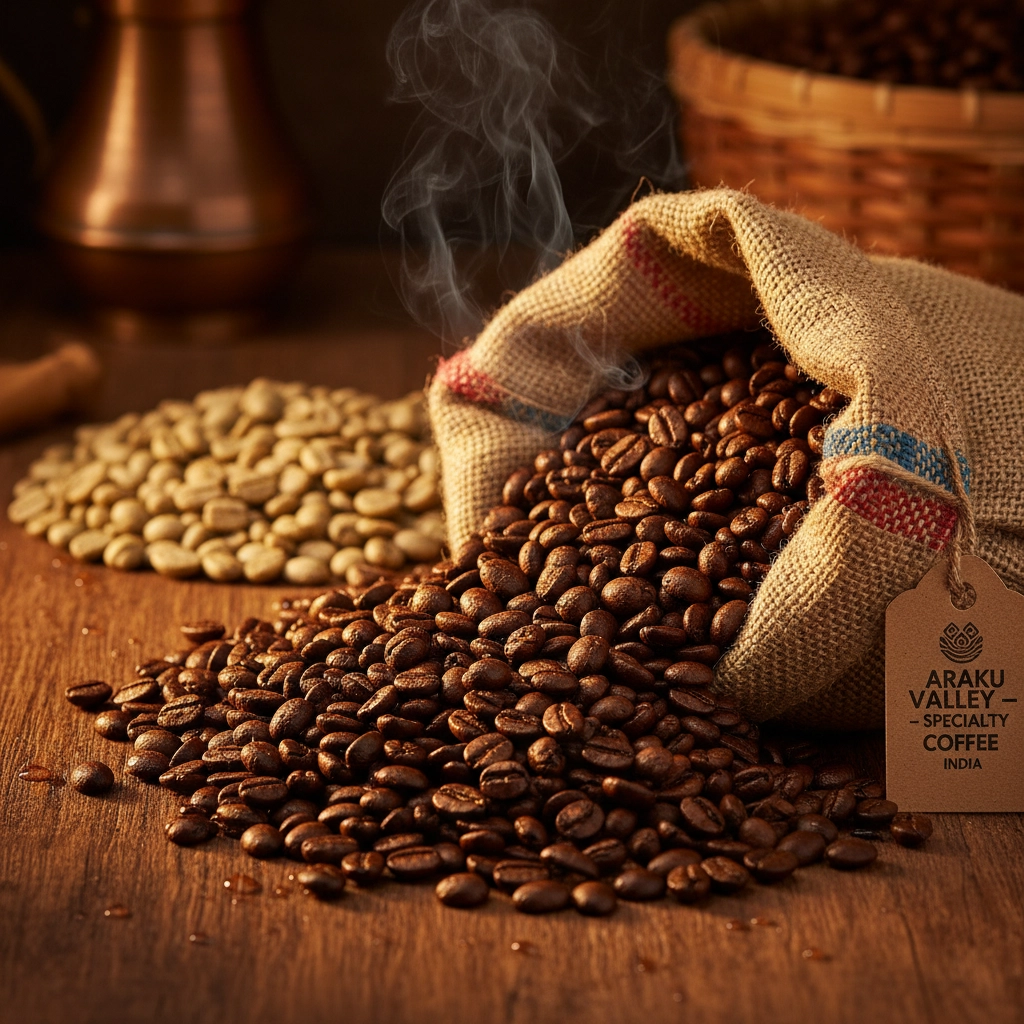
India's coffee sector continues to evolve, with increasing recognition for our unique growing regions like Araku Valley, Coorg, and the Nilgiris. The focus on sustainable farming practices and direct trade relationships is helping Indian coffee producers command premium prices in international markets.
The monsoon coffee processing method, unique to India, is gaining appreciation among specialty roasters worldwide who value its distinctive flavor profile. This traditional processing technique, combined with modern quality control measures, positions Indian coffee as a unique offering in the global specialty market.
Equipment Innovation Recognized
In other news, Eversys received recognition as the best automatic coffee equipment brand at the European Coffee Awards on December 1st. This recognition highlights the ongoing innovation in coffee equipment technology, which continues to push the boundaries of what's possible in both commercial and home brewing environments.
The advancement in brewing technology is particularly relevant for coffee shops and roasters looking to maintain consistency while scaling their operations. These innovations help bridge the gap between manual brewing precision and commercial efficiency needs.
Weather Watch and Climate Considerations
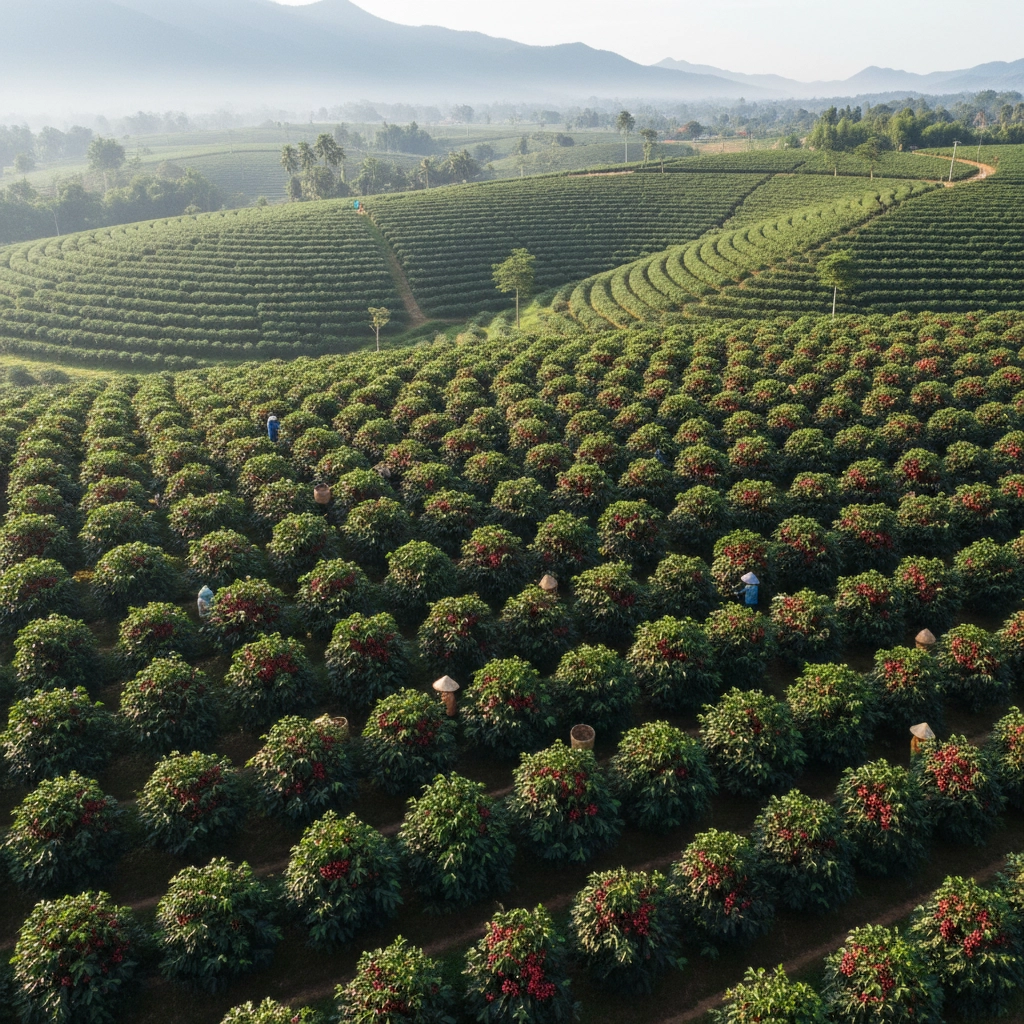
Climate patterns continue to be a major factor in coffee production planning. While Brazil's improved forecast suggests favorable conditions in key growing regions, other areas are experiencing varied weather challenges that could impact local harvests.
The ongoing La Niña conditions are being closely monitored by coffee producers worldwide, as these patterns can significantly influence rainfall and temperature patterns in critical growing regions. Early indicators suggest a mixed impact, with some regions benefiting while others may face challenges.
Looking Ahead: What to Watch
As we head into December, several key factors deserve close attention:
Brazilian harvest preparations: With the promising production forecasts, monitoring actual field conditions will be crucial
US trade policy developments: Any changes in tariff structures could quickly reshape global trade flows
Inventory rebuilding: Whether current low inventory levels can be replenished ahead of peak consumption season
Asian market dynamics: Continued growth in both production and consumption across the region
The Sustainability Connection
Throughout all these market movements and production updates, the underlying theme of sustainability continues to gain prominence. Coffee producers, traders, and consumers are increasingly focused on environmental and social responsibility in the supply chain.
This focus on sustainability isn't just about compliance with regulations like the EU's deforestation law – it's becoming a competitive advantage for producers who can demonstrate genuine commitment to sustainable practices. The market is increasingly rewarding coffee that can tell a complete story about its origins and environmental impact.
As we reflect on this week's developments, it's clear that the coffee world remains as dynamic and interconnected as ever. From market corrections to production forecasts, from trade tensions to equipment innovations, each element plays a role in shaping the coffee that eventually reaches our cups.
The week's events remind us that coffee is more than just a commodity – it's a global network of relationships, traditions, and innovations that connect us all. Whether you're a producer in Vietnam, a trader in New York, or someone simply enjoying their morning brew, these weekly developments touch us all in some way.
For those interested in exploring the deeper connections between coffee and consciousness, we invite you to discover more about the spiritual dimensions of coffee culture at www.woodpeckerscoffee.com/spirituality. Sometimes the most meaningful insights come from taking a moment to appreciate the journey from bean to cup – and everything that makes that journey possible.
Comments