
Global Coffee Roundup: Week of Feb 3 – Feb 10, 2026
- ADITYA Kumar
- Feb 10
- 5 min read

Welcome back to your weekly coffee check-in. This week brought some interesting shifts in the market: prices cooled off a bit, Brazil's looking optimistic, and Vietnam took a well-deserved break for Lunar New Year. Let's dive in.
The Price Check: A Market Correction
If you've been tracking arabica futures, you noticed things got a little less intense this week. Arabica dropped to around $3.08 per pound: its weakest level since August. By February 6, we saw it dip even further to $294 per pound, down nearly 22% from last month.
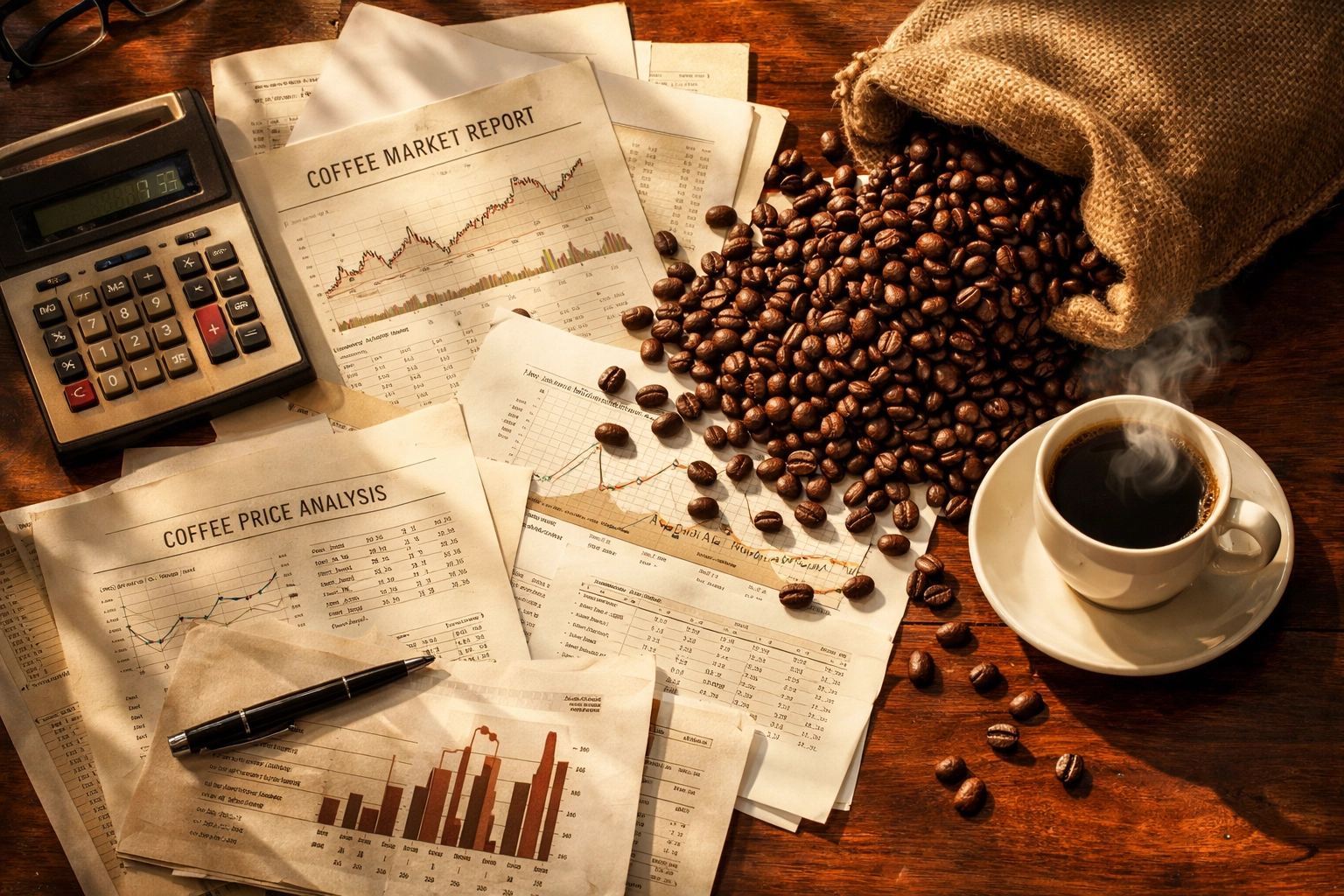
Why the drop? Brazil's weather improved significantly, and harvest forecasts are looking abundant. When supply looks strong, prices tend to ease up. It's a reminder of how closely tied coffee markets are to weather patterns half a world away.
Analysts are predicting arabica could trade around $288.60 by the end of this quarter if the current trend continues. For roasters and coffee shops, this correction brings some breathing room after months of climbing prices.
Brazil: The Big Harvest Everyone's Watching
Speaking of Brazil: let's talk about what's happening there. The 2026 harvest forecast just jumped to 66.2 million bags, with some estimates saying the combined arabica and robusta haul could push past 70 million bags.
That's massive.
The reason? Better weather and improved farming techniques. Recent rainfall came at exactly the right time, giving coffee plants the boost they needed during critical growth phases. Brazilian farmers have also been investing heavily in better agricultural practices, and it's paying off.
For context, this would be one of Brazil's strongest harvests in recent years. And since Brazil produces about a third of the world's coffee, these numbers matter for everyone: from your local café to major coffee chains worldwide.
Vietnam: Celebrating Lunar New Year
Vietnam's coffee world was pretty quiet this week, and for a good reason: Lunar New Year celebrations are in full swing. Offices are closed, farms are quiet, and people are spending time with family.
But when the celebrations wrap up, Vietnam's coming back strong. Robusta coffee exports are projected to hit 30.8 million bags for the 2025/26 season: that's a 4-year high. The country's rebounding nicely after some challenging years.
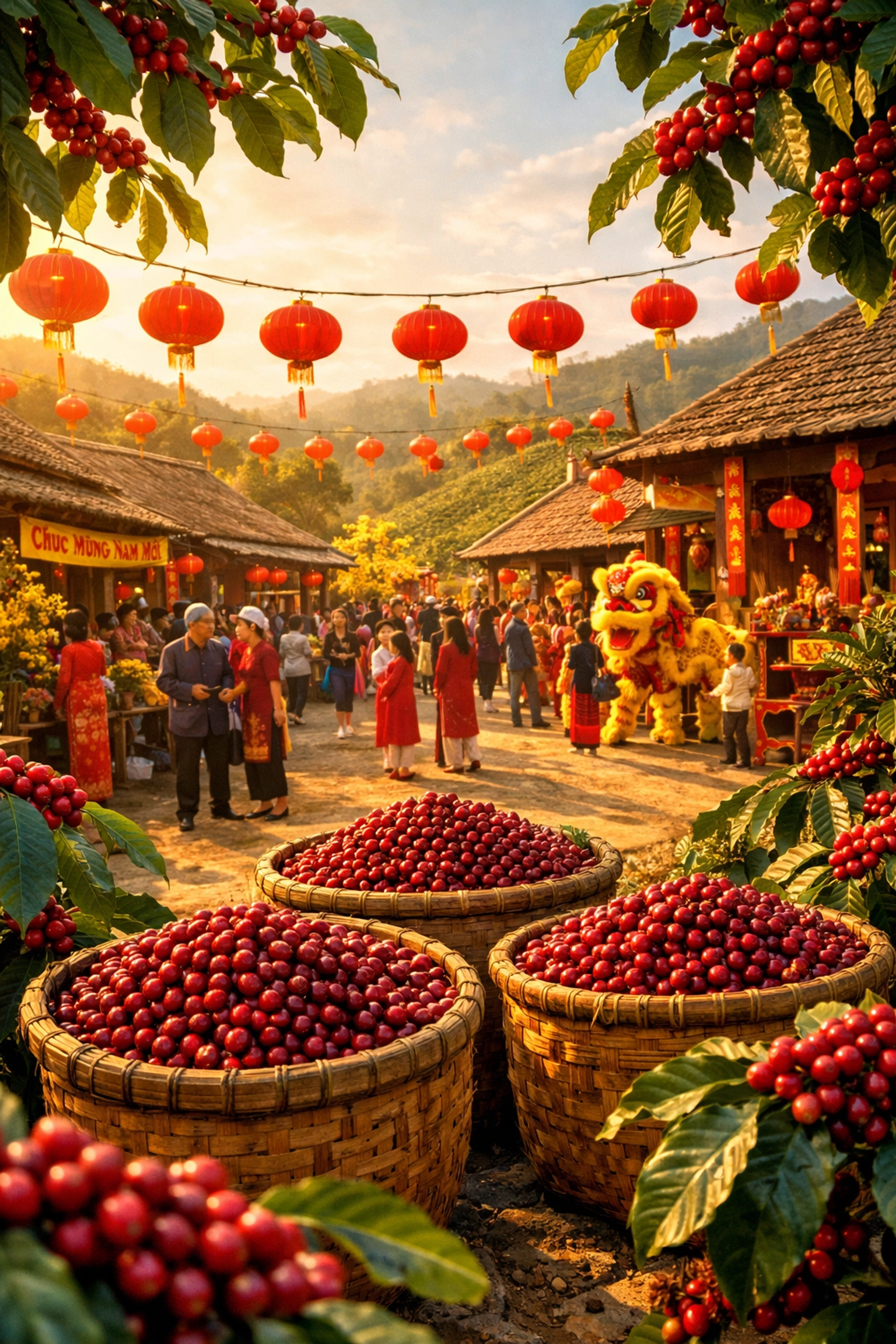
There's also news that Vietnamese exporters are working hard to revamp their supply chains. Why? Stricter EU regulations now require proof that coffee isn't grown on land cleared after 2020. It's a big shift, but it's pushing the industry toward more sustainable and transparent practices.
On a less pleasant note, Vietnamese authorities seized 4.1 tonnes of counterfeit ground coffee this week: made from soybeans and additives. It's a reminder to always buy from trusted sources.
Indonesia: Sumatra's Post-Harvest Push
Over in Sumatra, the harvest season is where all the action is right now. Indonesian producers are putting extra focus on improving post-harvest quality, which is huge for the specialty coffee market.
Post-harvest processing: the way coffee cherries are dried, sorted, and prepared: can make or break a coffee's flavor profile. Indonesian producers know that better processing means better prices and stronger relationships with international buyers.
The region's still recovering from the devastating November 2025 cyclone, but robusta exports climbed 52% in December. That's impressive resilience.
Also worth noting: Jago, an Indonesian mobile café operator, just secured $12 million in Series B funding to scale its app-first coffee carts across the country. It's an interesting model: bringing quality coffee directly to neighborhoods through mobile units. Coffee's getting more creative everywhere you look.
Ethiopia: A Late Harvest with High Stakes
Ethiopia's harvest is in full swing, but it's running behind schedule this year. That delay has created some interesting market dynamics.
Red cherry prices have doubled due to tighter supply during the delayed harvest. And if you're looking for washed Ethiopian coffees right now? They're rare. Most of what's available is natural-processed, which has a fruitier, more intense flavor profile.
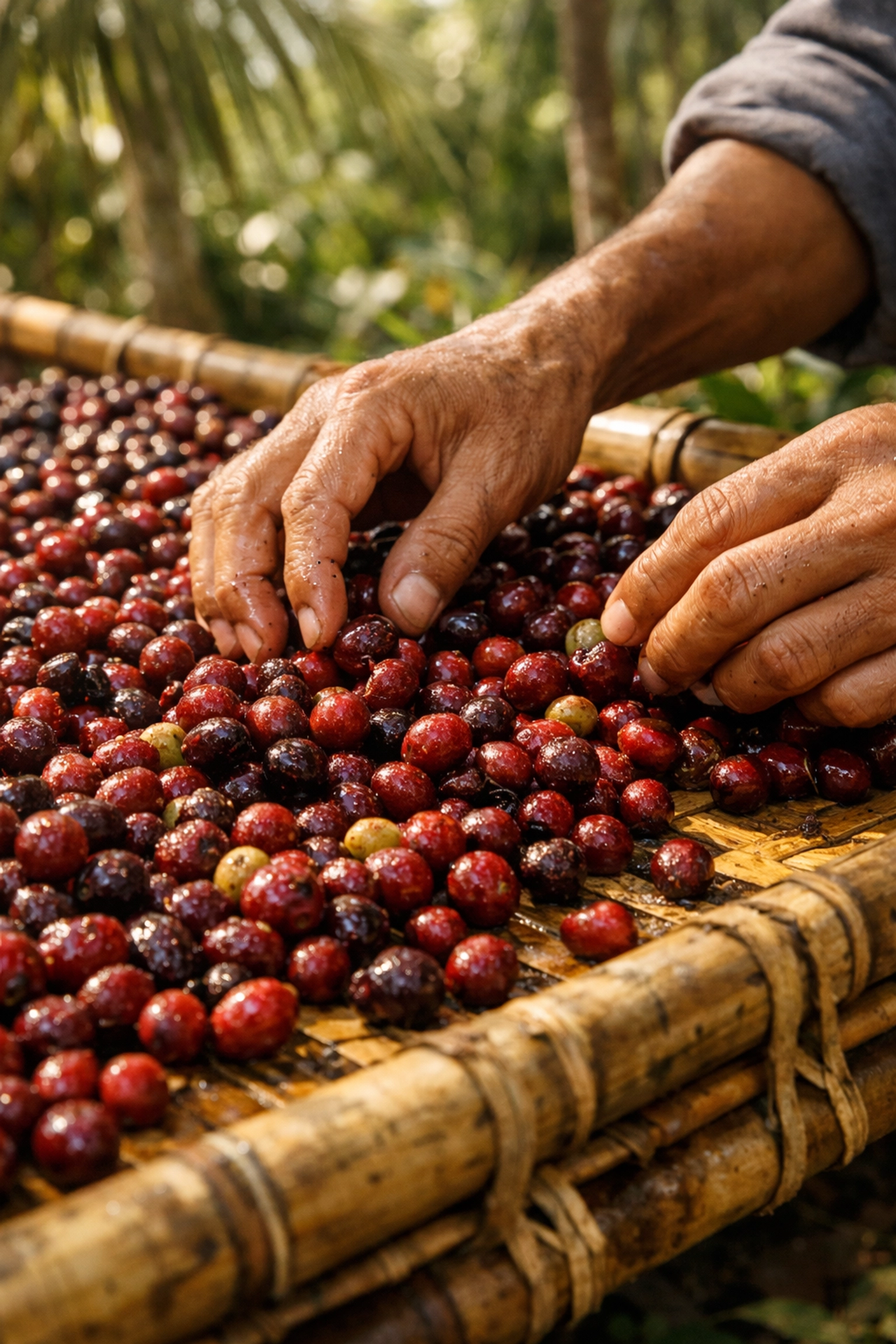
For specialty roasters who depend on Ethiopian coffees: especially those bright, floral washed varieties: this is a challenging moment. It's also a reminder of how vulnerable coffee-growing regions are to climate shifts and weather unpredictability.
Tech, Events, and What's Brewing Globally
Let's talk about some of the week's other highlights:
Starbucks ran a free coffee promotion on February 9, which got a lot of buzz (and long lines). It's these kinds of moves that keep major chains in the conversation, especially as competition heats up in the ready-to-drink and premium coffee spaces.
Over in the Philippines, the government just invested ₱5.7 million in coffee technology development. This is part of a broader push to modernize the country's coffee industry and improve both quality and yields. The Philippines has incredible coffee-growing potential, and investments like this could help unlock it.
There's also talk of AI-driven marketing tools making waves in San Jose, where coffee companies are testing AI for everything from customer engagement to supply chain optimization. It's still early days, but the coffee industry's embracing tech faster than ever.
The Bigger Picture: Global Coffee Exports Are Growing
Here's something worth celebrating: Global coffee exports grew 5.5% in the early part of the 2025/26 crop year. That's significant growth, especially considering ongoing logistical challenges like shipping delays and rising freight costs.
Major producers: Brazil, Vietnam, Colombia, and Indonesia: are all contributing to this growth, helping keep global availability strong even as demand continues climbing.
And on the sustainability front, IFAD and the Green Climate Fund launched a $102.5 million climate and rural livelihoods project in Vietnam. The six-year initiative focuses on agroforestry, forest protection, and building deforestation-free supply chains. It's exactly the kind of investment the coffee industry needs to face climate challenges head-on.
Rwanda also hosted its first Coffee Festival in Islamabad this week, bringing together Rwandan exporters and Pakistani importers. Pakistan's café culture is growing quickly, and Rwanda's positioning itself as a key supplier under a new 2025 trade agreement.
What This All Means
If there's one takeaway from this week, it's that the coffee world is constantly adapting. Prices shift based on weather patterns thousands of miles away. Countries invest in technology and sustainability to secure their place in the market. And producers: from Brazilian farmers to Indonesian processors: keep pushing for higher quality and better practices.
For coffee lovers and industry folks alike, these weekly shifts remind us that every cup has a story. It connects to farms, weather patterns, market forces, and the tireless work of people around the globe.
As always, we'll keep tracking these stories and bringing you the updates that matter. Whether you're a café owner, a home brewer, or just someone who loves a good cup, understanding what's happening in the coffee world makes every sip a little richer.
Stay tuned for next week's roundup. Until then, keep brewing and stay curious.
Want to dive deeper into the world of specialty coffee? Check out our previous coffee roundups or explore our curated coffee selection sourced from some of these incredible origins.

Comments