
Global Coffee Roundup: Week of 3rd to 8th Dec 2025
- ADITYA Kumar
- Dec 9, 2025
- 5 min read

What a wild week it's been in the coffee world! From dramatic price swings to conflicting supply signals across continents, the first week of December delivered more market turbulence than most traders bargained for. Let's dive into what happened and what it means for your morning cup.
Price Rollercoaster Leaves Markets Spinning
If you thought coffee prices were stable, think again. This week saw some of the most dramatic price movements we've witnessed all year, with Arabica futures surging over 15% since the beginning of December. The surge caught many by surprise, driven primarily by mounting supply concerns from Brazil and Colombia.

The volatility wasn't just numbers on a trading screen – it translated directly to real-world impact. Coffee shops and roasters across major cities reported wholesale prices jumping 10-20% within days, forcing some to recalculate their pricing strategies mid-week. One café owner in Mumbai told industry sources they had to adjust their menu prices twice in three days just to keep up with the fluctuations.
What made this week particularly interesting was the conflicting signals coming from different regions. While Latin American supply concerns pushed prices up, Vietnam's accelerated harvest created downward pressure on December 3rd, causing a sharp drop in robusta prices despite low exchange inventories.
Brazil and Colombia Signal Supply Squeeze
The primary driver behind this week's price surge came from revised production forecasts for Brazil and Colombia. Brazil's 2025/26 season projections showed the country expecting around 65 million bags total, but with a concerning twist – high-quality Arabica volumes are projected to decline significantly while robusta production might see only modest increases.
This shift is particularly worrying for specialty coffee markets, where Brazilian Arabica has long been a cornerstone. Coffee buyers scrambled this week to secure contracts, anticipating tighter supplies of premium beans in the coming months.
Colombia's situation added fuel to the fire. After last year's record harvest, forecasts now point to reduced Arabica output for the current season. The combination of both major Arabica producers signaling supply constraints sent futures markets into overdrive.
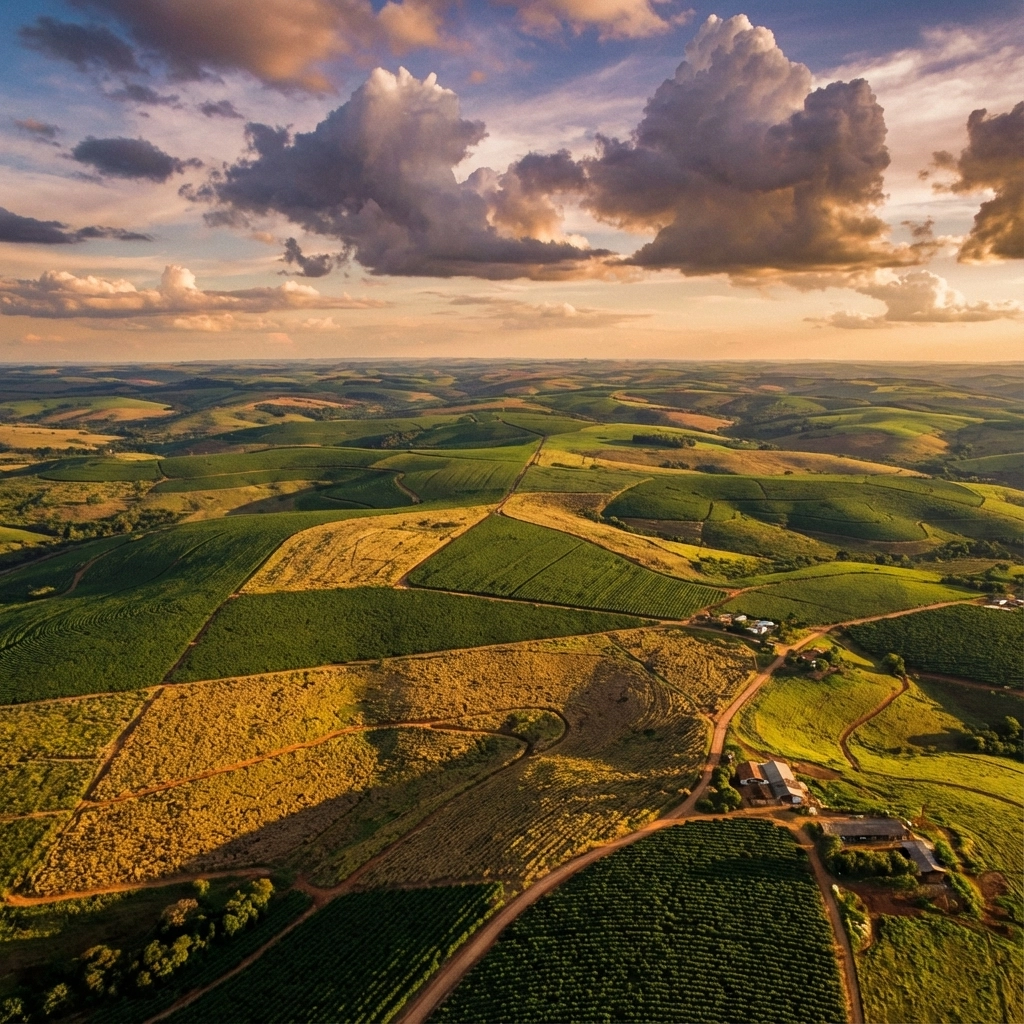
Farmers in both countries expressed mixed feelings about the price surge. While higher prices mean better revenues for those who can deliver quality beans, many are struggling with climate challenges including unexpected droughts followed by sudden heavy rainfall, making consistent quality production increasingly difficult.
Vietnam's Harvest Provides Some Relief
Just when it seemed like prices would keep climbing indefinitely, Vietnam stepped in with some market relief. The country's accelerated harvest pace became the primary factor driving prices down on December 3rd, providing a much-needed brake on the relentless upward pressure.
Vietnamese robusta production has been running ahead of schedule this season, with favorable weather conditions allowing farmers to harvest earlier than expected. This timing proved crucial for global markets, as robusta inventories on major exchanges had been running dangerously low.
The Vietnamese harvest story highlights how quickly global coffee markets can shift. One day traders were panicking about supply shortages, and the next day they were adjusting for increased availability from Southeast Asia. It's a perfect example of why coffee trading requires nerves of steel and constant market monitoring.
Consumer Impact Hits Home
While traders deal with daily price swings, consumers felt the impact throughout the week. Retail coffee prices jumped 10-20% in major markets, with some premium brands pushing increases even higher. The International Coffee Organization noted that this month's price increases represent some of the steepest consumer-level jumps in recent years.

Coffee shops found themselves in a particularly tough spot. Many operate on thin margins and can't absorb sudden cost increases, but frequent price changes risk alienating customers. Several chains announced they would absorb short-term increases but warned that sustained high wholesale prices would eventually require menu adjustments.
The impact varied by coffee type and quality level. Premium single-origin coffees saw the steepest price increases, while commercial-grade blends experienced more moderate jumps. This created a widening price gap between different coffee categories, potentially reshaping consumer purchasing patterns.
Regional Spotlight: India and Asia Navigate Market Chaos
Asian coffee markets showed remarkable resilience during this week's global turbulence. India's coffee regions, particularly Karnataka and Kerala, reported steady production levels with quality holding strong despite the global supply concerns elsewhere.
Indian robusta producers actually benefited from the week's price movements, as increased demand for robusta (driven by Arabica supply concerns) pushed up prices for their crops. Several exporters in Chikmagalur reported increased inquiries from international buyers looking to diversify their supply sources.
The timing proved fortuitous for Indian coffee, as the current harvest season is progressing well. Monsoon patterns this year have been more favorable than in recent seasons, leading to optimistic production forecasts. This positions Indian coffee well to fill some of the supply gaps emerging from other regions.
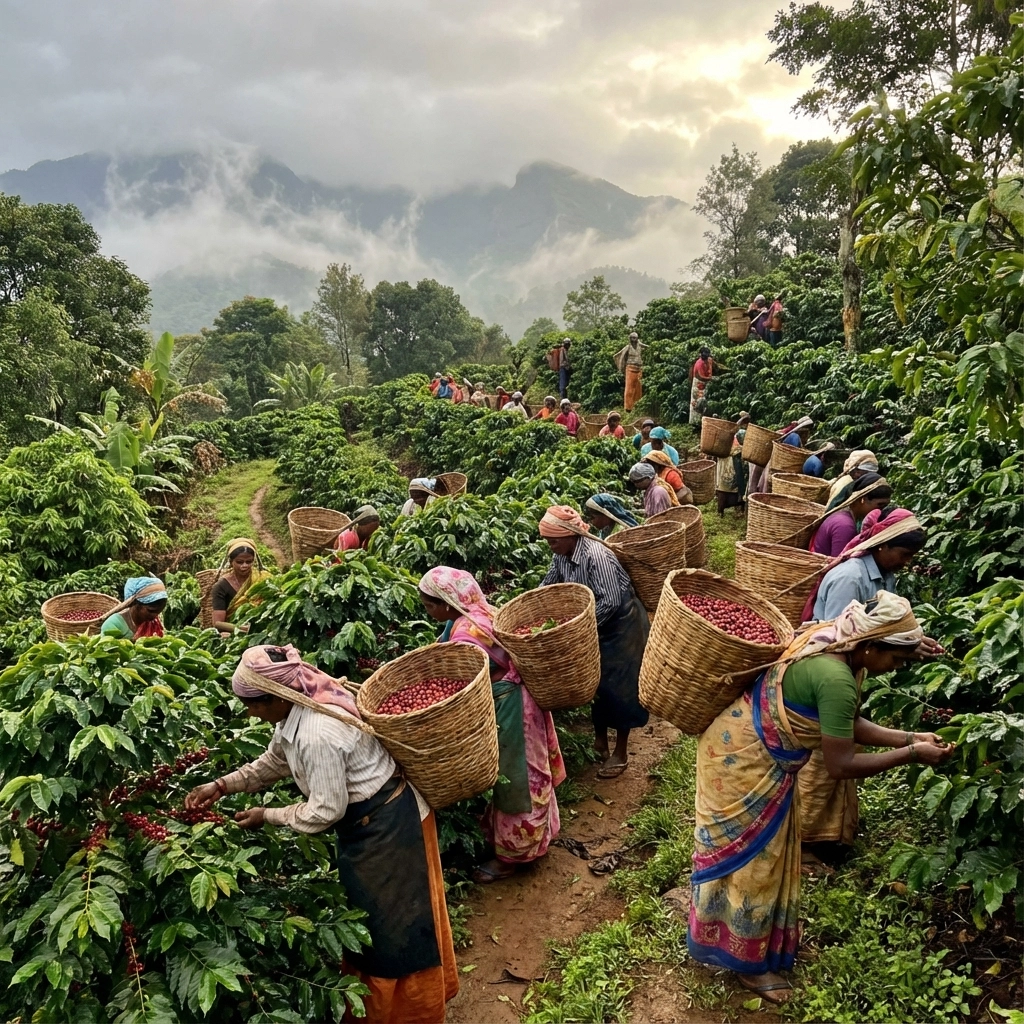
Indonesia's coffee sector also gained attention this week as buyers sought alternatives to traditional Latin American sources. Sumatran coffees, in particular, saw increased interest from specialty roasters looking to hedge against supply risks from Brazil and Colombia.
The Asian coffee story this week demonstrates the interconnected nature of global coffee markets. When major producers face challenges, it creates opportunities for other regions to step up and fill market needs.
Weather Watch: Climate Remains Wild Card
Weather patterns continue to be the wild card in coffee production globally. This week brought reports of unusual weather events across multiple coffee-growing regions, from unexpected frosts in Brazilian highlands to extended dry spells in Central America.
The weather volatility is making production forecasting increasingly challenging. Farmers and traders alike are having to adapt to more frequent and severe weather swings, which directly impact both quantity and quality of coffee crops.
Climate adaptation strategies became a hot topic in industry circles this week, with several major buyers announcing increased investment in weather-resistant farming techniques and crop diversification programs.
Looking Ahead: What This Means for Coffee Markets
The events of December 3rd to 8th set the stage for continued market volatility in the weeks ahead. Analysts warn that the underlying supply-demand fundamentals suggest higher prices could persist, particularly for premium Arabica coffees.
The conflicting signals from different producing regions mean traders will be watching harvest progress closely. Vietnam's early harvest success could be a template for other regions, while Brazil and Colombia's challenges highlight the ongoing risks from climate variability.

For coffee businesses, this week emphasized the importance of supply chain diversification and flexible sourcing strategies. Relying too heavily on any single origin or supplier can create significant risk in today's volatile market environment.
As we move deeper into harvest season, the focus will be on whether other producing regions can compensate for the projected shortfalls from major suppliers. The coffee world learned this week that market dynamics can shift rapidly, and adaptability is becoming increasingly crucial for success.
The week of December 3rd to 8th will be remembered as a turning point in coffee markets – a reminder that in the world of coffee, the only constant is change. For those of us who live and breathe coffee every day, it's been a fascinating glimpse into the complex forces that determine the price and availability of the world's second-most traded commodity.
Whether you're a trader, roaster, café owner, or simply someone who loves their daily cup, this week's events remind us that every sip connects us to a vast global network of farmers, traders, and market forces working together to bring coffee from farm to cup.
For those seeking a deeper connection to their coffee journey beyond market movements, explore our thoughts on coffee and spirituality – where the ritual of brewing becomes a moment of mindfulness in our busy world.

Comments