
Global Coffee Roundup: Week of 19th to 25th Nov 2025
- ADITYA Kumar
- Nov 26, 2025
- 5 min read

What a week it's been in the coffee world! ☕ From policy U-turns that sent prices on a rollercoaster ride to weather challenges threatening crops across two continents, the global coffee scene served up plenty of drama between November 19th and 25th. Let's dive into what happened and what it means for coffee lovers everywhere.
The Brazilian Tariff Plot Twist That Nobody Saw Coming
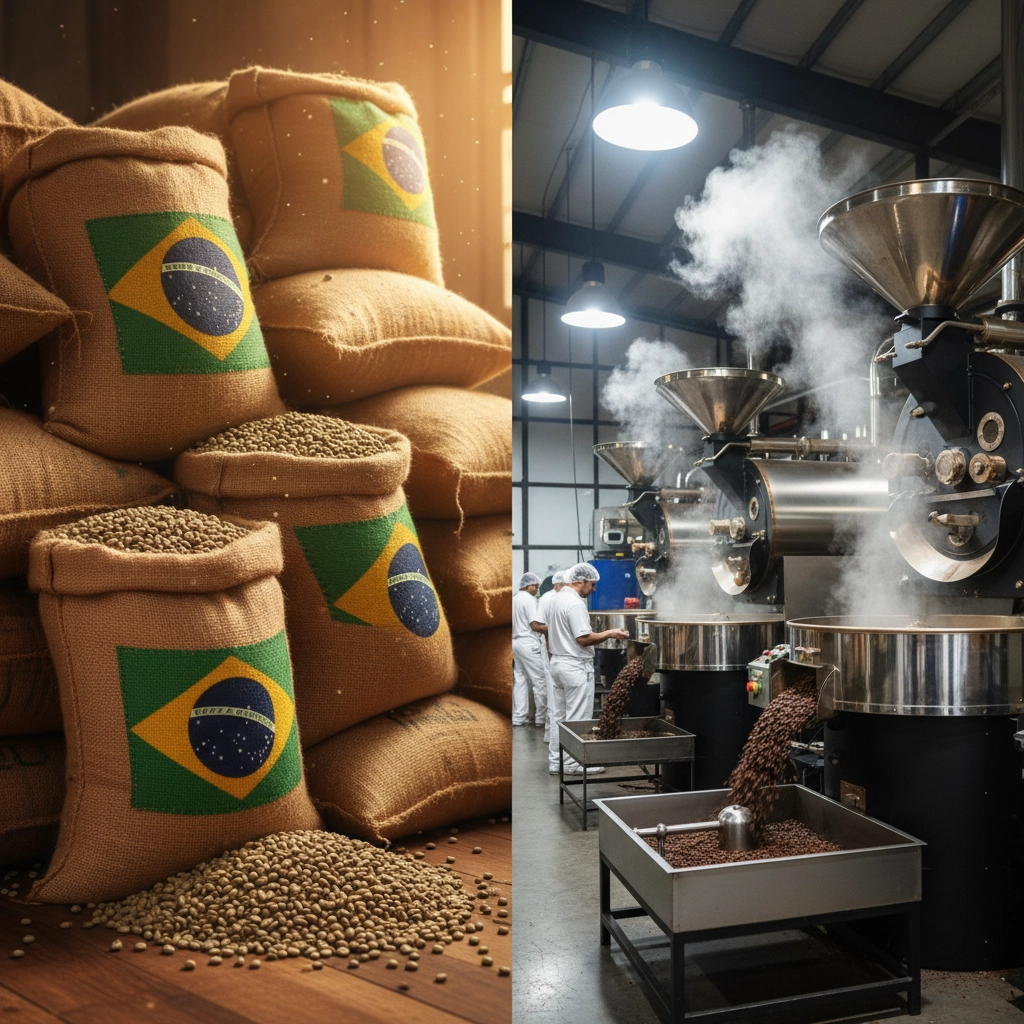
The biggest headline this week came straight out of Washington D.C. on November 23rd, when President Trump signed an executive order that completely eliminated the 40% tariff on Brazilian agricultural imports, including our beloved green coffee beans.
This was huge news, especially considering Brazil supplies over a third of all green coffee imports to the U.S. The market's reaction was immediate and dramatic. Coffee prices took a nosedive as traders realized that Brazilian beans would suddenly become much cheaper for American roasters and importers.
But here's where it gets interesting, the relief didn't last long. By November 24th, just one day later, coffee prices had bounced back to around $4.07 per pound. Why? Well, it turns out that removing tariffs is just one piece of a much more complex puzzle.
The quick rebound showed us something important: while policy changes can create short-term market movements, the fundamental supply and demand dynamics of coffee are driven by much more than just trade policies. It's a reminder that in the coffee world, what goes down can come back up just as quickly.
Mother Nature Wasn't Playing Nice
Speaking of those fundamental factors, the weather gods definitely weren't on coffee's side this week. November 25th brought concerning reports of adverse weather conditions hitting both Brazil and Vietnam: two of the world's coffee powerhouses.
In Brazil, we're talking about conditions that could seriously impact the quality and quantity of the upcoming harvest. When Brazil sneezes, the global coffee market catches a cold, so these weather concerns immediately started pushing prices higher, even with the tariff relief in place.
Vietnam faced its own challenges, with flooding reported in key coffee-producing regions. This is particularly worrying because Vietnam is the world's largest producer of robusta coffee, which is essential for espresso blends and instant coffee production.
The flooding didn't just threaten this season's crops: it also raised questions about infrastructure damage that could affect processing and transportation for months to come. For specialty coffee roasters who rely on consistent supply chains, this kind of disruption can be a real headache.
China's Coffee Story Keeps Getting Better
While challenges mounted in traditional producing regions, China's Yunnan province continued its impressive coffee journey. The region, often called China's coffee capital, reported surging exports throughout 2025, and this week was no exception.
What's fascinating about Yunnan's growth is how it's being driven by both domestic and international demand. Chinese consumers are developing increasingly sophisticated coffee tastes, while international buyers are discovering the unique flavor profiles that Yunnan's high-altitude growing conditions produce.

Producers in the region were actually struggling to keep up with rising orders: a good problem to have, but still a challenge. This expansion represents a significant shift in the global coffee landscape, with Asian producing regions gaining more prominence alongside traditional coffee powerhouses in Latin America and Africa.
For those of us in the specialty coffee world, Yunnan's rise is particularly exciting because it's bringing new flavor profiles and processing methods to the market. The region's focus on quality over quantity aligns perfectly with current specialty coffee trends.
Mexico's Steady Growth Continues
Down in Mexico, the coffee sector maintained its positive momentum with forecasts for the 2025/26 harvest looking solid at 3.9 million bags. This represents steady, sustainable growth that's been supported by government initiatives and improved farming practices.
The Mexican government's Café Bienestar program continued making waves this week, purchasing directly from farmers at fair prices. This kind of direct trade relationship helps stabilize incomes for rural coffee growers and ensures more consistent quality for buyers.
What's interesting about Mexico's approach is how it balances commercial viability with social responsibility. The program doesn't just buy coffee: it actively works to improve farming techniques and helps producers access better markets for their beans.
Price Volatility: The New Normal?
This week perfectly illustrated how volatile coffee markets have become. We saw prices drop on policy news, then rebound on weather concerns, all within a 48-hour period. For coffee professionals, this kind of volatility makes planning and pricing incredibly challenging.

The rapid price movements also highlighted how interconnected global coffee markets have become. A policy change in Washington affects Brazilian farmers. Weather in Vietnam impacts prices in New York. It's a complex web where every thread connects to every other thread.
For consumers, this volatility translates to continued uncertainty in coffee prices. While the tariff removal might have promised relief, weather challenges and supply constraints quickly reminded everyone that coffee pricing is influenced by dozens of factors operating simultaneously.
What This Means for Specialty Coffee
From our perspective in the specialty coffee world, this week's events reinforced several important trends:
Supply Chain Diversification: The weather challenges in Brazil and Vietnam highlighted the importance of sourcing from multiple regions. Roasters who rely too heavily on any single origin face significant risk when disruptions occur.
Quality Focus: As markets become more volatile, the premium placed on consistent, high-quality coffee becomes even more important. Consumers and businesses are willing to pay more for reliable supply and exceptional taste.
Direct Trade Relationships: Mexico's Café Bienestar program showed how direct relationships between buyers and farmers can provide stability in uncertain times. These partnerships benefit everyone involved.
Regional Spotlight: India's Position
While this week's major news focused on other regions, it's worth noting how these developments affect Indian coffee. As a significant robusta producer, India benefits when supply challenges hit other robusta-producing regions like Vietnam.
The weather issues in Vietnam could potentially increase demand for Indian robusta, especially from European buyers who traditionally source heavily from Southeast Asia. This represents an opportunity for Indian coffee estates to showcase their quality and reliability.
Looking Ahead
As we wrap up this eventful week, several questions remain:
Will Brazilian coffee production recover from the weather challenges?
How long will it take Vietnam's flooded regions to return to normal production?
Can China's Yunnan province continue expanding without compromising quality?
Will the U.S. tariff removal create lasting changes in trade patterns?
The answers to these questions will likely shape coffee markets for months to come. What's certain is that the coffee world remains dynamic, unpredictable, and endlessly fascinating.
The Bottom Line
This week reminded us why coffee is one of the world's most complex commodities. Policy changes, weather patterns, consumer preferences, and production challenges all interact in ways that can send prices soaring or plummeting within hours.
For coffee professionals and enthusiasts, staying informed about these developments isn't just interesting: it's essential for understanding where the industry is heading. The week of November 19th to 25th, 2025, will likely be remembered as a perfect example of how quickly things can change in the coffee world.
Whether you're a roaster planning purchases, a cafe owner setting prices, or simply someone who loves great coffee, understanding these market dynamics helps you make better decisions and appreciate the incredible journey that brings coffee from farm to cup.
The global coffee story continues to evolve, with each week bringing new challenges, opportunities, and surprises. That's what makes this industry so compelling: and why we'll keep watching, reporting, and brewing through whatever comes next.
Comments