
Global Coffee Roundup: Week of Feb 17 – Feb 24, 2026
- ADITYA Kumar
- Feb 24
- 4 min read

Hey coffee friends! Another wild week in the world of coffee just wrapped up, and there's a lot to unpack. From price drops that had us all watching the charts to harvest news from three different continents, the coffee world never sleeps. Let's dive in.
Price Check: Arabica Takes a Tumble
If you've been watching arabica futures, you probably felt that gut punch this week. Prices dropped around 4.5% before catching a small bounce, and we're now hovering around $3.20 per pound. That's multi-month lows we're talking about here.

What's driving this? Well, it's not just one thing. Brazil's massive crop forecast is the headline story (more on that below), but Vietnam's robusta exports are also flooding the market. When supply stories dominate the news cycle, prices typically take a breather.
For us at Woodpeckers, this means we're keeping a close eye on buying opportunities while staying realistic about where the market's headed in the short term. Lower prices sound great in theory, but they also signal shifts in supply dynamics that we need to understand deeply.
Brazil: Record Numbers and Mixed Feelings
Here's the big one: Brazil's Conab agency officially confirmed what the whispers have been saying for weeks. We're looking at a 66.2 million bag harvest this year. That's up 17.2% year-over-year, and the arabica portion specifically is jumping 23.2% to 44.1 million bags.
Those are record-breaking numbers, and they're the main reason prices are sliding. When Brazil, the world's largest coffee producer, has a bumper crop, everyone feels it.
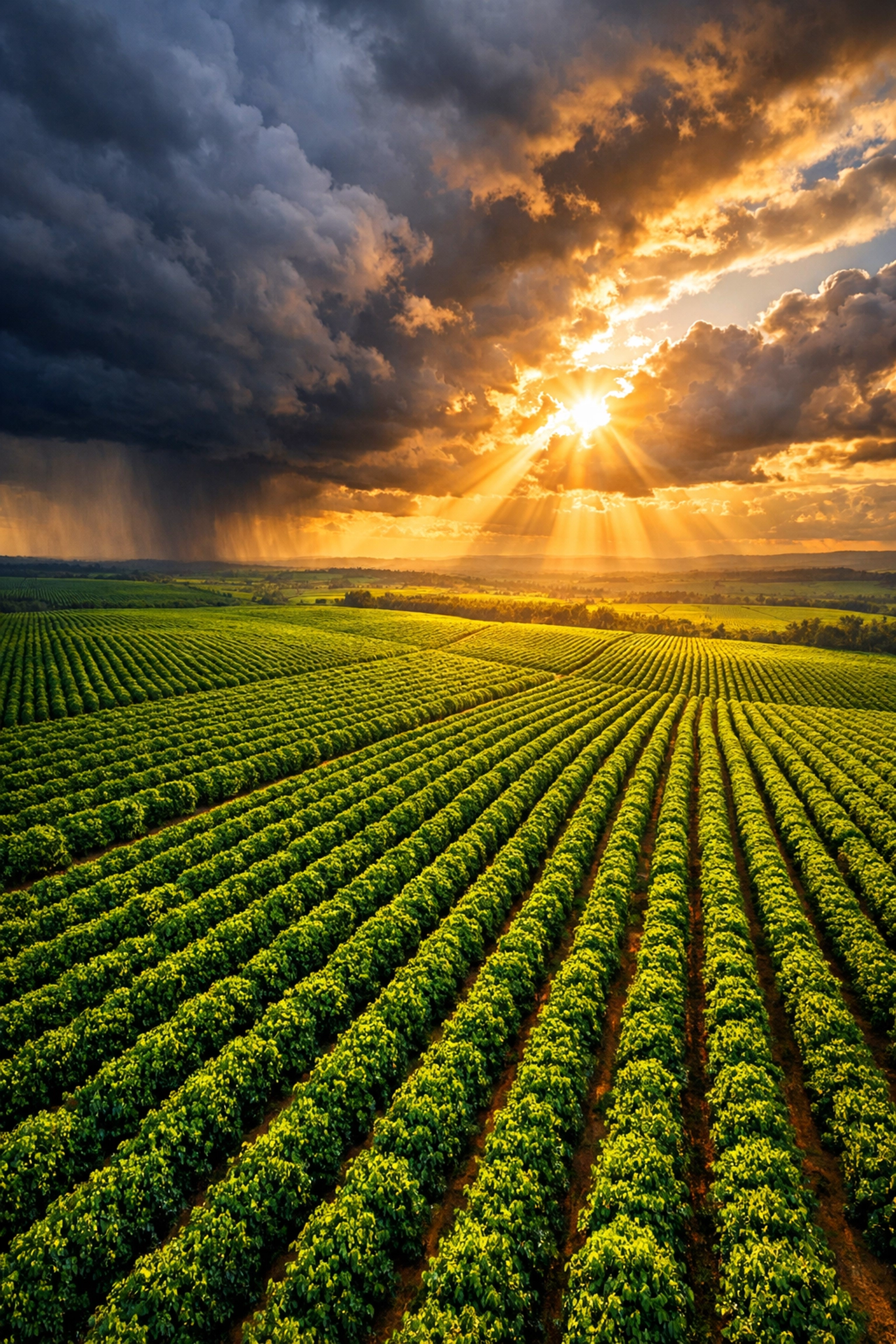
But there's a silver lining in all this: Minas Gerais is getting favorable rainfall right now. This matters because timing is everything in coffee farming. Good rain at the right time means healthier trees, better cherry development, and potentially higher quality beans even with massive volumes. We'll take that any day.
Ethiopia: Scarcity and Sky-High Prices
Meanwhile, on the other side of the world, Ethiopia's telling a completely different story. The harvest is running late, and volumes are coming in lower than expected. The result? Red cherry prices have literally doubled.
For specialty coffee buyers like us, this is tough news. Ethiopian washed lots, especially the high-quality stuff that makes your morning cup sing, are becoming rare and expensive. We're talking about coffees that normally sit in that sweet spot of incredible flavor and reasonable pricing, now pushing into premium territory.
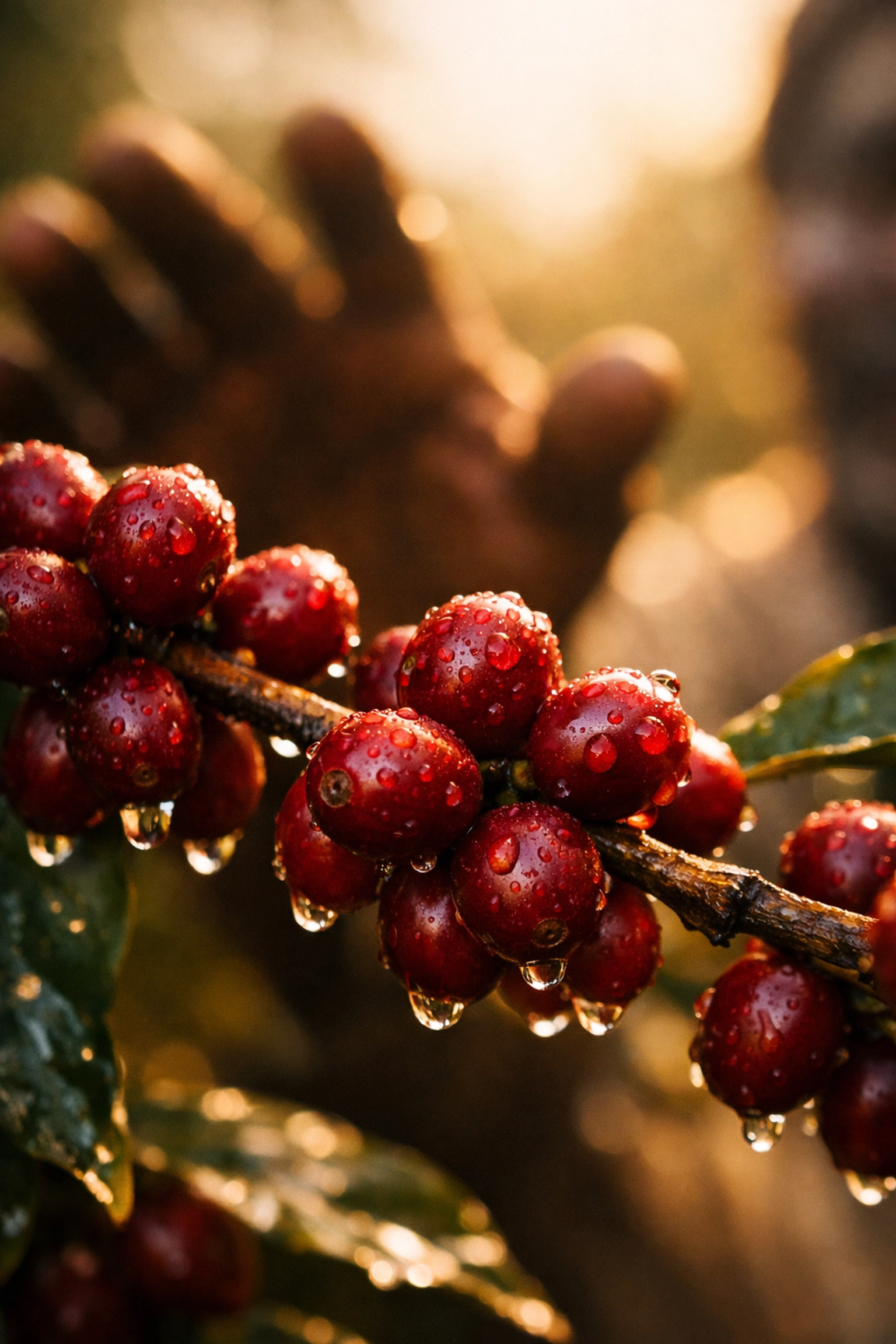
If you're a roaster or café owner reading this, now's the time to think about your Ethiopian coffees. Lock in what you can, because availability isn't getting better anytime soon. And if you're a consumer who loves those bright, floral Ethiopian cups, you might notice them becoming less common on café menus in the coming months.
Indonesia: Timing is Everything
Over in Sumatra, export season is kicking off right on schedule. This is exciting news for anyone who loves those earthy, full-bodied Indonesian coffees, but there's a logistics puzzle here that's keeping everyone busy.
Ramadan is approaching, and so is monsoon season. Both of these affect drying conditions and shipping schedules in significant ways. The smart play right now is detailed logistics planning, making sure contracts are tight, shipping windows are realistic, and drying protocols account for weather patterns.
For traders and importers, Sumatra season always requires careful coordination. This year's no different, except everyone's hyperaware of the climate patterns we're seeing (more on that in a second). Getting coffee from farm to port to roastery without quality hiccups takes serious planning.
Climate Alert: The Heat is On (Literally)
Okay, deep breath. We need to talk about the climate report that dropped this week, because it's a big deal.
Major coffee-growing regions representing 75% of global production are now experiencing 57 additional days of extreme heat per year. Let that sink in. Not just warmer temperatures: extreme heat days.
Brazil and Indonesia, two of the largest coffee producers on the planet, are among the hardest hit. This isn't some distant future scenario we can worry about later. This is happening right now, and it's affecting the coffee in your cup.
What does this mean practically?
Quality shifts: Extreme heat during flowering and cherry development affects flavor profiles
Yield volatility: Heat stress reduces yields and increases susceptibility to disease
Harvest timing: Traditional harvest schedules are shifting as weather patterns change
Price unpredictability: Climate-driven supply shocks create market volatility
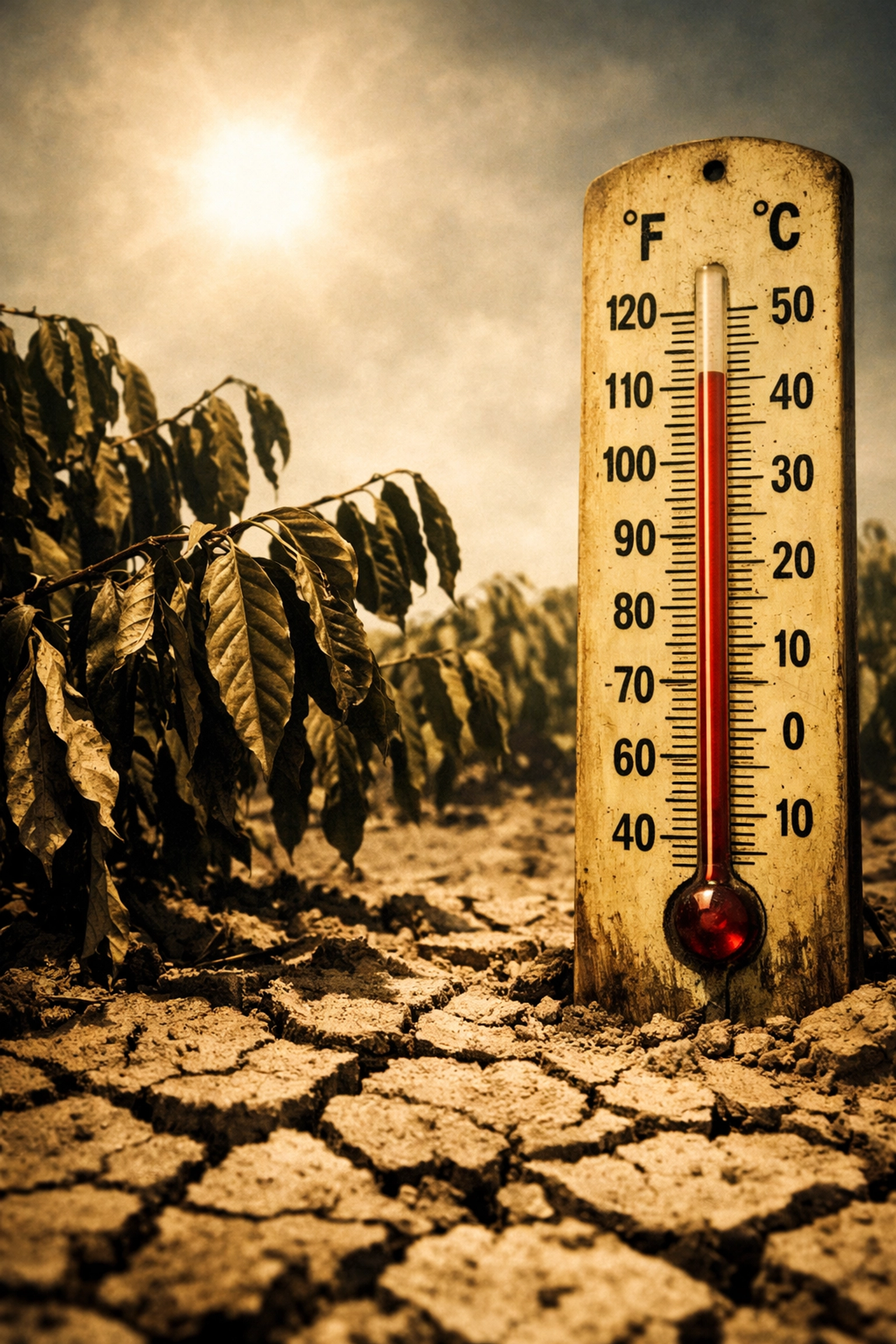
For us at Woodpeckers, climate awareness isn't just environmental responsibility: it's business intelligence. Understanding how weather patterns affect our sourcing regions helps us plan better, support farmers more effectively, and maintain quality consistency for our customers.
Mark Your Calendars: Industry Events Ahead
Looking forward to mid-March, there are two events worth watching:
THAIFEX-HOREC Asia is coming up, and it's always a great snapshot of what's happening in Asian coffee markets and hospitality trends. Thailand's coffee scene has been growing fast, and this event typically surfaces interesting innovations.
The NCA Convention is the other big one. If you're in the U.S. specialty coffee world, this is where relationships get built, deals get made, and industry trends get set for the rest of the year.
We won't be surprised if climate adaptation, price volatility, and quality sourcing dominate the conversations at both events. Those themes are front and center right now.
What We're Watching Next Week
As we roll into the first week of March, here's what's on our radar:
Colombia's February production numbers: After January's 34% drop, everyone wants to see if the trend continues
Further price movements: Will arabica find a floor at current levels, or is there more downside?
Ethiopia harvest updates: Any news on volume improvements or continued scarcity
Weather patterns: Especially in Brazil's main growing regions
The coffee world moves fast, and staying informed matters whether you're a trader, roaster, café owner, or just someone who really loves their morning brew.

Want to stay updated on global coffee news and what it means for your cup? Check out our blog for weekly roundups and deeper dives into coffee sourcing, quality, and sustainability.
Until next week, keep brewing great coffee. ☕
( The Team at Woodpeckers Coffee Trading House)
Comments