
Global Coffee Weekly Roundup: March 10, 2026

Hey there, coffee family. It’s Tuesday, March 10, 2026, and if you’ve been looking at the ticker lately, you know the coffee world is moving at a breakneck pace. Whether you’re a roaster, a cafe owner, or just someone who can’t start their day without a solid pour-over, there’s a lot to catch up on this week.
From shipping lanes in the Middle East to urban plantations in the heart of São Paulo, the industry is navigating a mix of "record-breaking" highs and "brace-for-impact" lows. Let’s break down everything that’s happening in the global coffee landscape right now.
The Price Ticker: Arabica and Robusta are Dancing
The market is currently a bit of a tug-of-war. Arabica prices have been hovering right around the $2.90/lb mark. Why the volatility? It’s a classic case of supply-side optimism clashing with geopolitical reality.
On one hand, we’re seeing Middle East shipping tensions putting a real squeeze on logistics. Shipping coffee across the globe isn't as simple as it used to be, and those delays are baked into the price you’re seeing at the dock. Additionally, Brazil has seen a slight drop in immediate exports, which usually sends prices upward.
However, there’s a ceiling on how high those prices can go. The forecast for the 2026/27 season is looking massive. In fact, some analysts are predicting a global surplus of nearly 8 million bags, with total production hitting 180 million bags. Brazil is leading that charge with record harvest forecasts, and the weather seems to be cooperating for once.
Meanwhile, Robusta continues its strong run, sitting comfortably between $3,734 and $3,842 per ton. With Vietnam ramping up exports: up nearly 38% year-over-year: there’s plenty of Robusta moving through the pipes, but the demand for high-quality "fine Robusta" is keeping those prices elevated.
On the Farm: A Tale of Two Origins
When we look at the top producers, the stories coming out of Colombia and Brazil couldn’t be more different this week.
Colombia’s Labor Crisis
Colombia is experiencing what should be a "golden year" for harvests. The trees are heavy, and the quality is historic. However, there’s a massive problem: there aren’t enough hands to pick the cherries. A significant labor shortage is hitting farm-level operations hard. It’s a heartbreaking scenario where the coffee is ready, the market is waiting, but the logistics of the harvest are stalling.
Brazil’s Urban Innovation
Over in Brazil, the focus is on the future. In an interesting turn of events, an urban plantation in São Paulo has become a testing ground for climate-resistant trees. Researchers are working on varieties that can handle the erratic "new normal" of global weather patterns. As the world's largest producer, Brazil knows that staying at the top requires more than just land; it requires tech and resilience.
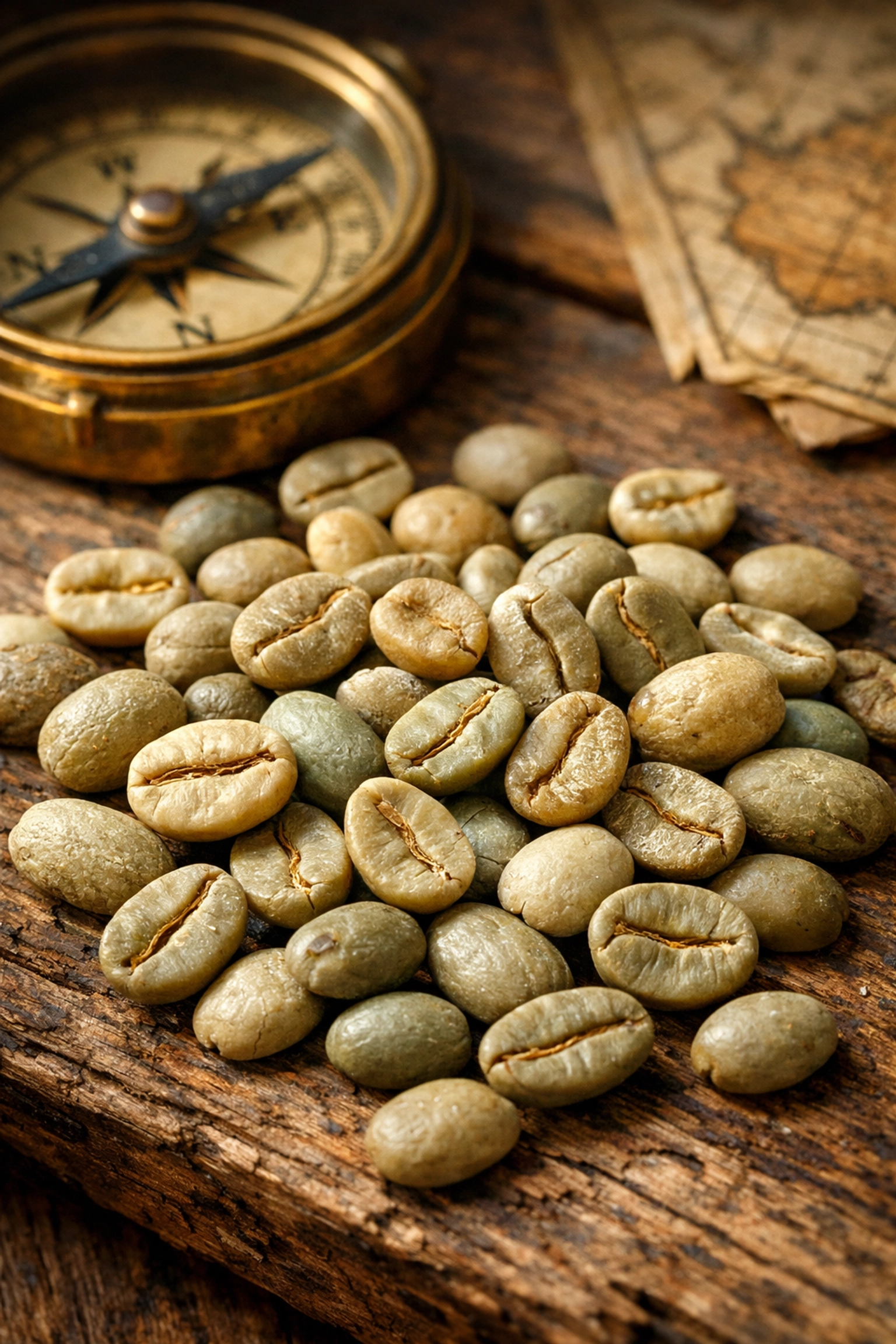
If you’re interested in how these global shifts affect the beans you buy, you can check out our latest green coffee beans to see what we’ve sourced recently.
The Big Corporate Shake-up
It wouldn't be 2026 without some massive industry consolidation. The $18.2 billion acquisition of JDE Peet’s by Keurig Dr Pepper is almost a done deal. This is the biggest coffee acquisition in history, and it’s going to create a "global coffee champion" that controls a huge chunk of what you see on grocery store shelves.
And let’s talk about Luckin Coffee. Remember when people thought they were done? Today, they’ve surpassed 41,000 stores across 89 countries. They are on track to become the largest coffee chain in the world by 2027. The scale of the "coffee-to-go" market in Asia is truly staggering and is a major reason why Robusta demand remains so high.
Events and Innovation: Creatine in Your Cup?
The Natural Products Expo West just wrapped up in Anaheim, and the biggest takeaway for the coffee sector was "functional coffee." We’re seeing a huge trend of coffee being infused with supplements. The standout? Coffee + Creatine. It’s aimed at the fitness crowd who want their caffeine kick and their muscle recovery in one go. It’s a bit of a departure from our natural philosophy here at Woodpeckers, but it shows just how much the industry is trying to reinvent itself.
Looking ahead, the Producer & Roaster Forum (PRF) is happening in El Salvador on March 26-27. This is one of the most important events for connecting the people who grow the beans with the people who roast them. It’s where the real conversations about sustainability and pricing happen.
The EUDR Shadow
One thing every exporter and importer is talking about right now is the EUDR (EU Deforestation Regulation). Compliance is looming later this year, and it’s causing a bit of a scramble. Essentially, any coffee entering the EU will need to prove it wasn't grown on land deforested after 2020. While it’s a win for the planet, the paperwork and traceability requirements are a massive hurdle for smallholder farmers.
At Woodpeckers Coffee Trading House, we’ve always been ahead of this curve. Our commitment to natural and sustainably grown beans means we don't have to scramble: we just have to continue doing what we’ve done since 1935.
The Woodpeckers Connection: Our Heritage, Your Cup
In a world of $18 billion mergers and 41,000-store chains, where do we fit in?
Since 1935, Woodpeckers Coffee Trading House has been more than just a coffee shop. We are a bridge between tradition and the modern market. Our roots are deep, and our focus remains on the quality of the bean and the fairness of the trade.
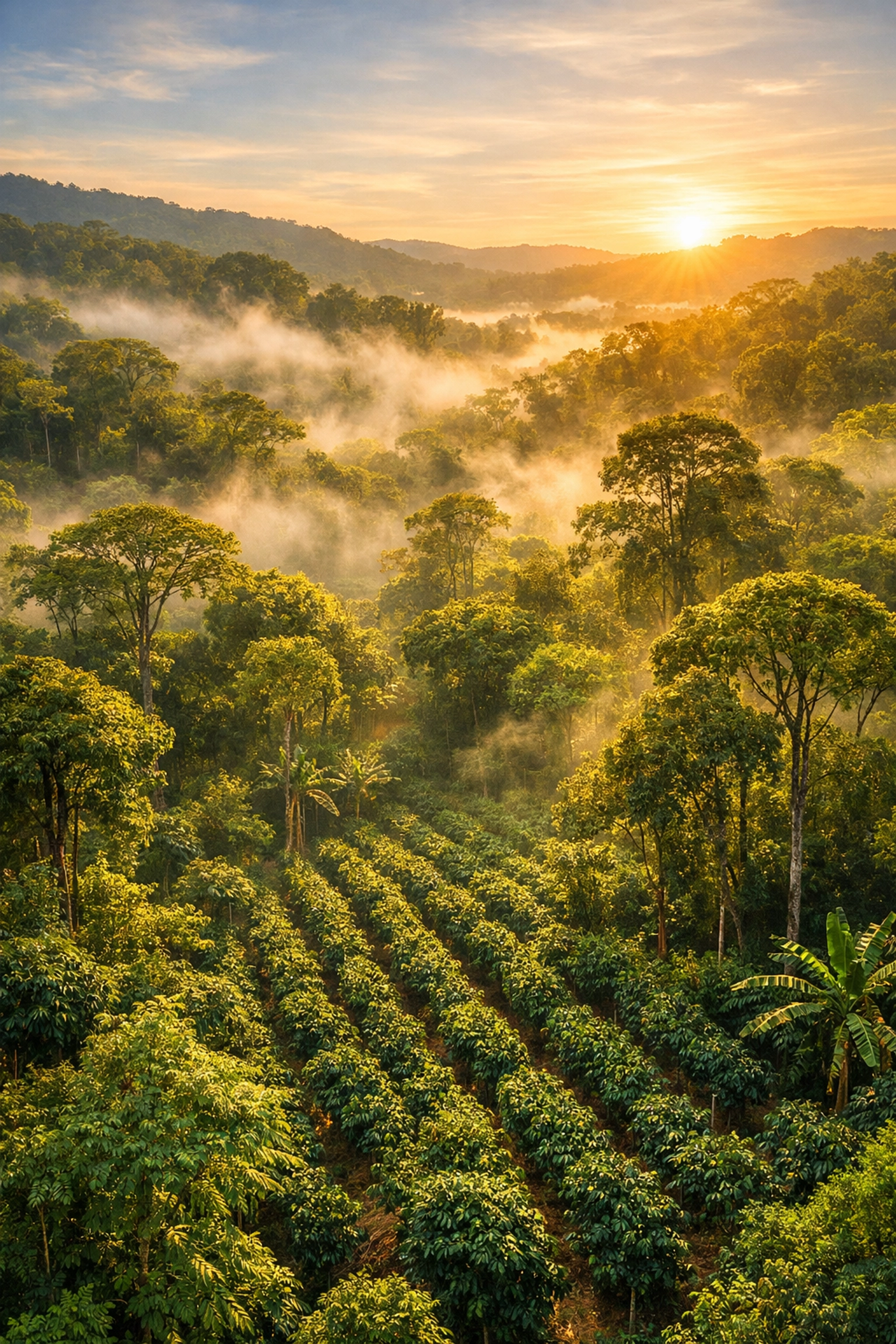
Our pride and joy right now are our beans from the Araku Valley. If you haven't tried them, you're missing out on a unique terroir. These beans are grown naturally, respecting the ecosystem of the valley. This sustainable approach is exactly what the EUDR is looking for, and it’s how we ensure that our coffee doesn't just taste good today, but is still available for generations to come.
Whether you prefer ground coffee for your morning ritual or you’re looking to stock your own business through our exports department, our 1935 heritage keeps us resilient. We’ve seen market shifts, price spikes, and new regulations before. We stay steady by focusing on the "natural" side of the business.
Summary of the Week
To wrap things up:
Prices: Arabica is high ($2.90/lb) due to shipping, but a surplus is coming. Robusta is holding strong ($3,800/ton).
Logistics: Middle East tensions and EUDR regulations are the big "red tape" items to watch.
Production: Brazil is booming; Colombia is struggling with a lack of pickers.
Trends: Functional coffees (like creatine coffee) are the talk of the trade shows.
The coffee world is complex, but that’s what makes it exciting. There is always a new story to tell, a new flavor profile to discover, and a new challenge to overcome.
If you want to stay updated on the latest news or grab some of our heritage-grown beans, keep an eye on our blog or reach out to us directly through our contact page. We’re always happy to talk shop.
Stay caffeinated, stay curious, and we’ll see you next week for another roundup.
( The Woodpeckers Team)
Comments