
Global Coffee Roundup
- ADITYA Kumar
- Nov 5, 2025
- 5 min read

What a week it's been in the global coffee world! From billion-dollar trade deals to shifting tariff policies, this past week has delivered some of the most significant developments we've seen all year. Let's dive into the major stories that are reshaping our beloved coffee landscape.
Brazil Strikes Gold with Historic China Deal
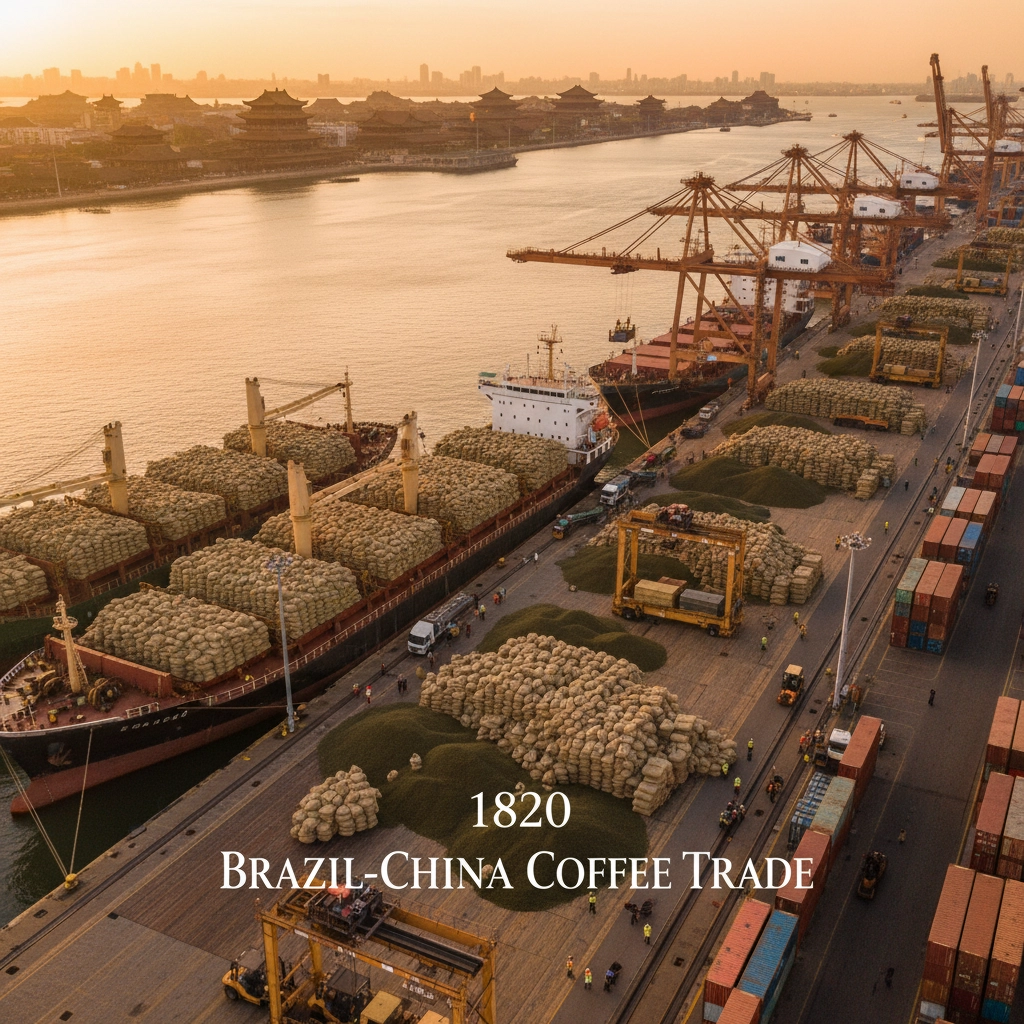
The biggest news this week comes from Brazil, where a groundbreaking partnership with Chinese coffee giant Luckin Coffee has sent ripples through the industry. The deal, worth a staggering $2.5 billion, will see Brazil export 240,000 tons of coffee beans to China between 2025 and 2029.
To put this in perspective, this new agreement doubles the previous commitment of 120,000 tons and multiplies the value by five times from the earlier $500 million deal. ApexBrasil's president called it "the start of a very important commercial partnership," and we couldn't agree more. This partnership positions Brazilian coffee as a dominant force in the rapidly expanding Asian market.
Tariff Turmoil Reshapes Trade Routes
The week brought significant developments on the trade policy front, with the US Senate voting 51-47 to block Trump's global tariffs on October 31st. While the bill faces expected delays in the Republican-controlled House, the move signals growing concern over how these tariffs have increased consumer prices and disrupted global trade relations.
Speaking of tariffs, coffee drinkers in America are feeling the pinch. US grocery coffee prices jumped 41% in one year, with the average pound of roasted and ground coffee now costing $9.14. This steep increase stems from higher green coffee prices, climate challenges, and those new reciprocal tariffs: including a hefty 50% duty on Brazilian imports.
But here's where it gets interesting: Vietnam could catch a break. The US and Vietnam agreed on a trade framework that maintains a 20% tariff on most Vietnamese goods while allowing selected products: including coffee: to potentially receive exemptions. This development could significantly shift market dynamics toward Vietnamese robusta beans.
Meanwhile, US-Brazil trade talks launched immediately on October 28th, with both sides optimistic about reaching solutions within weeks. The stakes are high, given Brazil's position as a major coffee supplier to the US market.
Vietnam Breaks Export Records
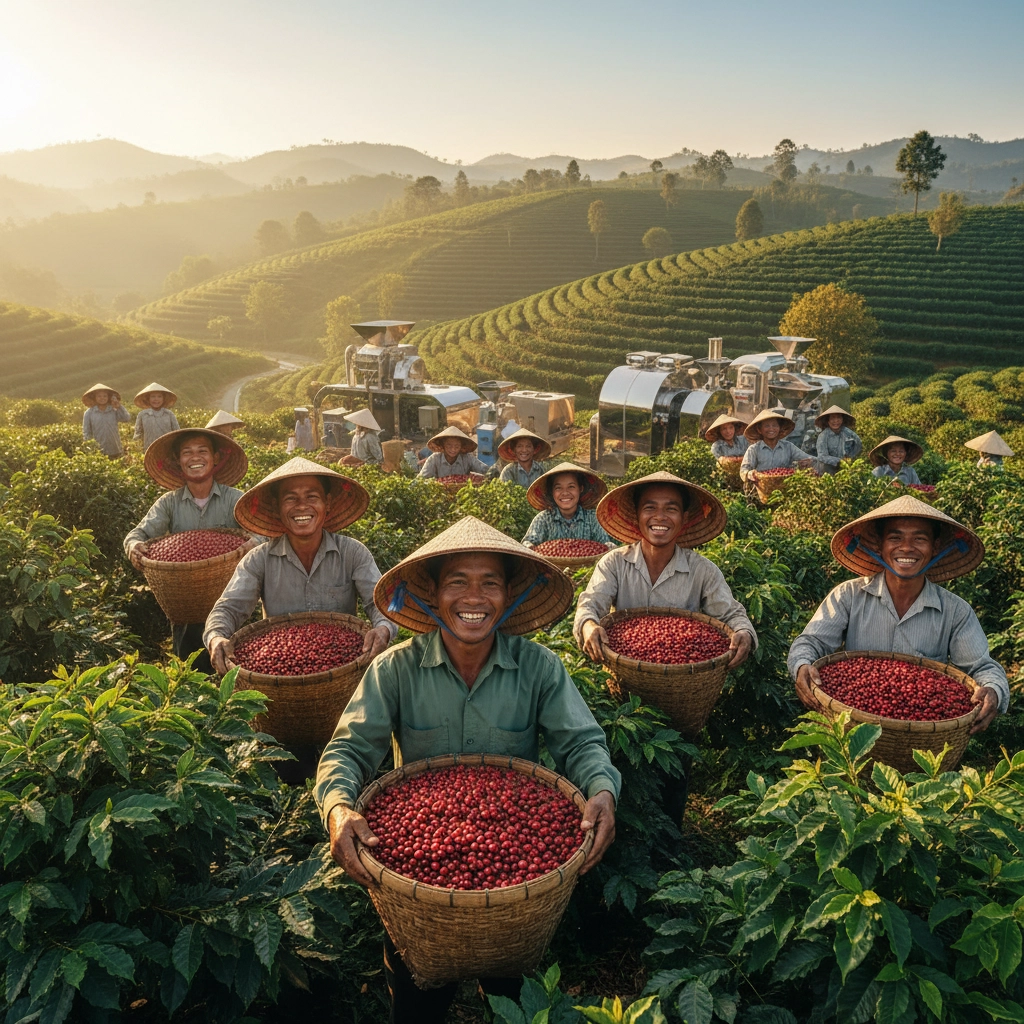
Vietnamese coffee producers have every reason to celebrate this week. The country's coffee exports soared to a record $8.4 billion in the 2024-2025 crop year: a remarkable 60% increase year-over-year. This achievement, combined with the potential US tariff exemption, positions Vietnam as an increasingly dominant player in the global coffee trade.
The rise in arabica prices is boosting expectations for future yields, and Vietnamese producers are investing heavily in branding efforts to move beyond their traditional robusta reputation.
India's Coffee Exports Surge Past Targets
Our neighbors have delivered impressive results too! India's coffee exports surged past the $2 billion target, reaching $1.8 billion in 2024-25: up from $1.29 billion the previous year. Prime Minister Narendra Modi highlighted how coffee production is supporting livelihoods in India's northeast and Odisha regions.
This growth comes from new free trade agreements and expanding global demand for Indian coffee. As we at Woodpeckers Coffee know well, Indian coffee's unique flavor profiles are gaining recognition worldwide, and these export numbers prove it.
Ethiopian Coffee Authority Credits Integrated Approach
Ethiopia, the birthplace of coffee, reported remarkable growth this week. The Ethiopian Coffee & Tea Authority revealed that production increased from 4.5 million to 11.5 million quintals, with exports reaching $2 billion last year. Officials credited this success to modern technology adoption, marketing reforms, and improved coffee varieties.
Their integrated approach includes enhanced farmer support programs and climate-resilient yields: a model other coffee-producing regions are watching closely.
Corporate Consolidation Continues
The business side of coffee saw major movement this week. KKR emerged in talks to acquire Costa Coffee, marking an unexpected development as the private equity firm had appeared to lose interest earlier in 2025. Meanwhile, Boyu Capital became the frontrunner for Starbucks' China business, reportedly outbidding rivals including Carlyle Group.
These acquisitions reflect the ongoing consolidation in the coffee industry, as major players position themselves for future growth in key markets.

Market Performance and Auction Results
Coffee quality continues to command premium prices. Kenyan coffee fetched strong prices at auction this week, raising roughly $3.18 million on October 31st. Top lots sold above estimates, with buyers citing quality and tight supply as driving factors.
This performance aligns with the broader trend of specialty coffee commanding higher prices. The specialty coffee market is forecasted to reach $69.8 billion by 2032, driven by consumers increasingly shifting from legacy chains to premium, artisanal brands.
Sustainability and Training Initiatives Bear Fruit
On the development front, Project Coffee++ concluded successfully in the Philippines, having trained approximately 3,000 farmers from Sultan Kudarat and Bukidnon over three years. The results speak for themselves: earlier beneficiaries tripled their harvests, and 80% rose above the poverty threshold.
This project demonstrates how focused training in advanced production techniques, financial literacy, and market access can transform farming communities: a lesson relevant for coffee producers worldwide.
Brazilian Harvest Outlook Improves
Looking ahead, forecasted rainfall in Brazil is expected to improve harvest yields and help stabilize prices. This welcome news comes after concerns about supply shortages that have contributed to recent price volatility.
The improved outlook, combined with the massive China deal, positions Brazilian coffee producers optimally for 2025 and beyond.
Consumer Price Impacts
Unfortunately, the week also brought news of continued price pressures for consumers. Tim Hortons increased coffee prices on November 2nd, following the broader industry trend of passing increased costs to customers.
These price increases reflect the complex interplay of climate challenges, trade policies, and supply chain costs that are reshaping the coffee industry's economic landscape.
Triangulation Concerns Emerge
An interesting development worth watching is the emergence of "triangulation" in coffee trading: Brazilian beans being rerouted through Colombia to circumvent US tariffs. This practice raises questions about the authenticity of Colombian-branded coffee and could lead to regulatory scrutiny.
Looking Forward
This week's developments highlight several key trends reshaping the global coffee industry:
Asian markets, particularly China, are becoming increasingly important for coffee producers
Trade policy changes are forcing rapid adaptation in supply chains and pricing strategies
Sustainability initiatives and farmer training programs are proving their worth through measurable results
Market consolidation continues as major players position for future growth
Premium quality coffee consistently commands strong prices despite economic pressures
As we at Woodpeckers Coffee Trading House navigate these changing tides, we remain committed to sourcing exceptional coffee while supporting sustainable farming practices. The week's news reinforces our belief that quality, sustainability, and strong partnerships will define success in the evolving coffee landscape.
Stay tuned for next week's roundup: if this week is any indication, we're in for more exciting developments in our ever-dynamic coffee world!
Comments