
Global Coffee Roundup: August 20–25, 2025 – Climate, Jargon, Dishes, Prices, Policy & News
- ADITYA Kumar
- Aug 26, 2025
- 6 min read

Hey coffee lovers! Welcome back to our weekly roundup where we spill the tea (or should we say coffee?) on everything that's been brewing in the global coffee scene. This week was absolutely wild—we're talking price surges, climate drama, and some pretty intense trade tensions that have the entire industry on edge.
If you've been wondering why your morning cup might be hitting your wallet a bit harder lately, or if you're just curious about what's happening beyond your local coffee shop, you're in the right place. Let's dive into the chaos that was August 20–25, 2025.
Climate Chaos Hits Coffee Heartlands
This week brought some seriously concerning news from the world's biggest coffee producers. Brazil and Vietnam—which together produce more than half of the world's coffee—are dealing with what experts are calling a "perfect storm" of climate challenges.
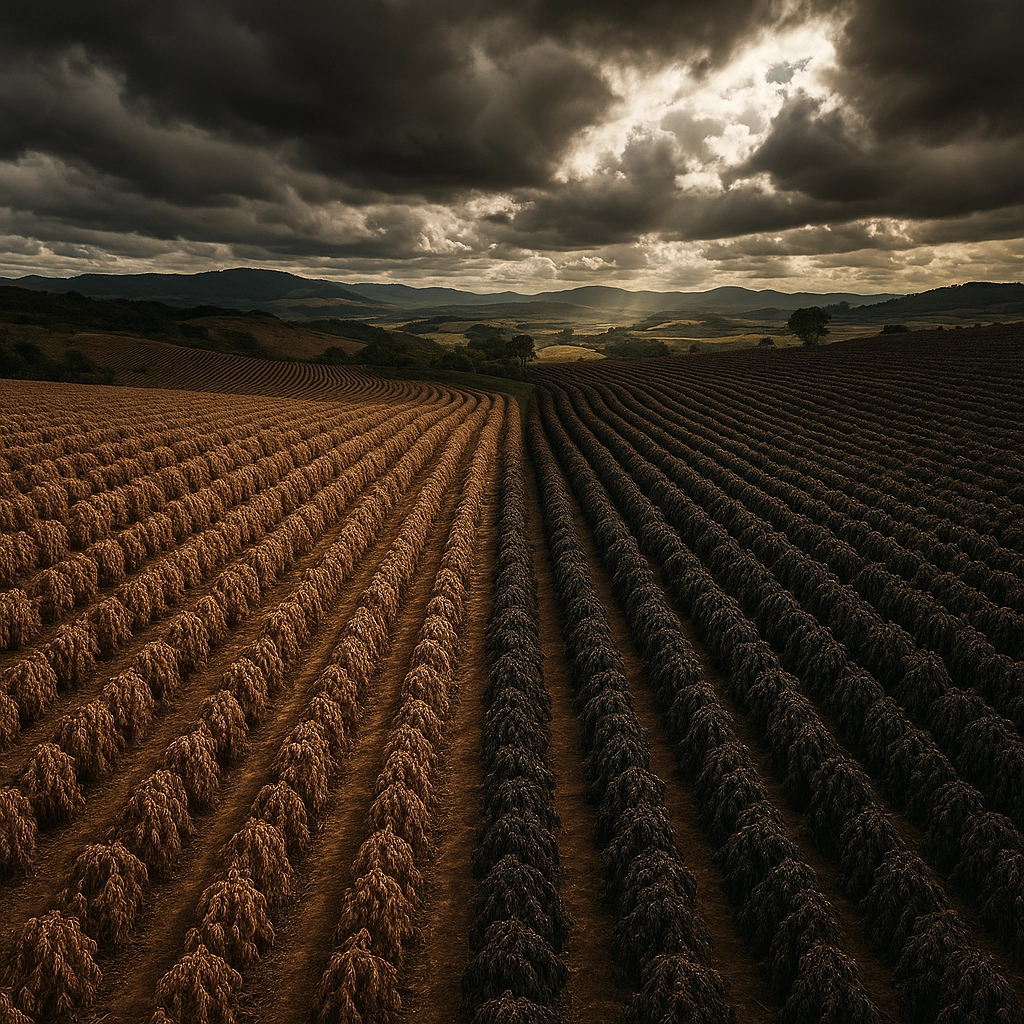
Brazil's coffee regions have been hit with a brutal combination of drought and frost conditions that's making farmers seriously worried about their crops. It's not just this year they're concerned about—these extreme weather patterns are becoming the new normal, and that's scary for an industry that depends so heavily on predictable growing conditions.
Vietnam isn't faring much better. The country's coffee farms have been struggling to recover from extended droughts that have left many plantations in pretty rough shape. When you consider that these two countries are responsible for keeping most of the world caffeinated, you start to understand why everyone's panicking.
What's really wild is that all this is happening right as Brazil prepares to host the COP30 climate summit this November. Talk about perfect timing—or terrible timing, depending on how you look at it. The world's going to be watching how Brazil handles climate policy while their own coffee industry is literally feeling the heat.
Coffee Jargon That's Trending Right Now
The coffee world loves its buzzwords, and this week introduced some new ones that are already taking off on social media. If you want to sound like you know what's up at your next coffee shop visit, here are the terms everyone's talking about:
"Climate-Shocked Coffee" - This term's been popping up everywhere to describe beans that have been affected by extreme weather. Some specialty roasters are actually using this as a selling point, highlighting the story behind climate-impacted harvests.
"Tariff Beans" - Okay, this one's a bit dark, but it's what people are calling coffee that's been hit with those crazy high import taxes we'll talk about later. Not exactly a term of endearment.
"Drought Drop" - When your espresso shot extracts faster than usual because the beans are denser from drought stress. Baristas are having to adjust their grind settings constantly.
"Supply Chain Sip" - Coffee that comes with a side of anxiety about whether you'll be able to get it again next month. Unfortunately, this is becoming way too relatable.
Innovative Brews Making Waves
Despite all the chaos in the supply chain, coffee innovation hasn't stopped. This week saw some pretty cool developments in how we're preparing and enjoying our daily dose of caffeine.
Cold extraction methods are getting a major upgrade with new techniques that supposedly preserve more of those climate-stressed beans' unique flavors. Some forward-thinking cafes are marketing these as "stress-preserved" brewing methods—turning a negative into a positive.
There's also been a surge in "climate-conscious" brewing equipment designed to extract maximum flavor from beans that might not be at their peak quality due to weather stress. It's innovation born out of necessity, but hey, if it means better coffee for everyone, we're here for it.
Fermentation experiments are also having a moment. With traditional growing conditions thrown out the window, producers are getting creative with how they process their beans. Some of the results have been surprisingly amazing—proving that sometimes the best innovations come from the worst circumstances.
Price Movements That'll Make You Wince
Brace yourself for this one—coffee prices have been absolutely bonkers this week. We're talking about some serious sticker shock that's about to hit everyone from café owners to home brewers.
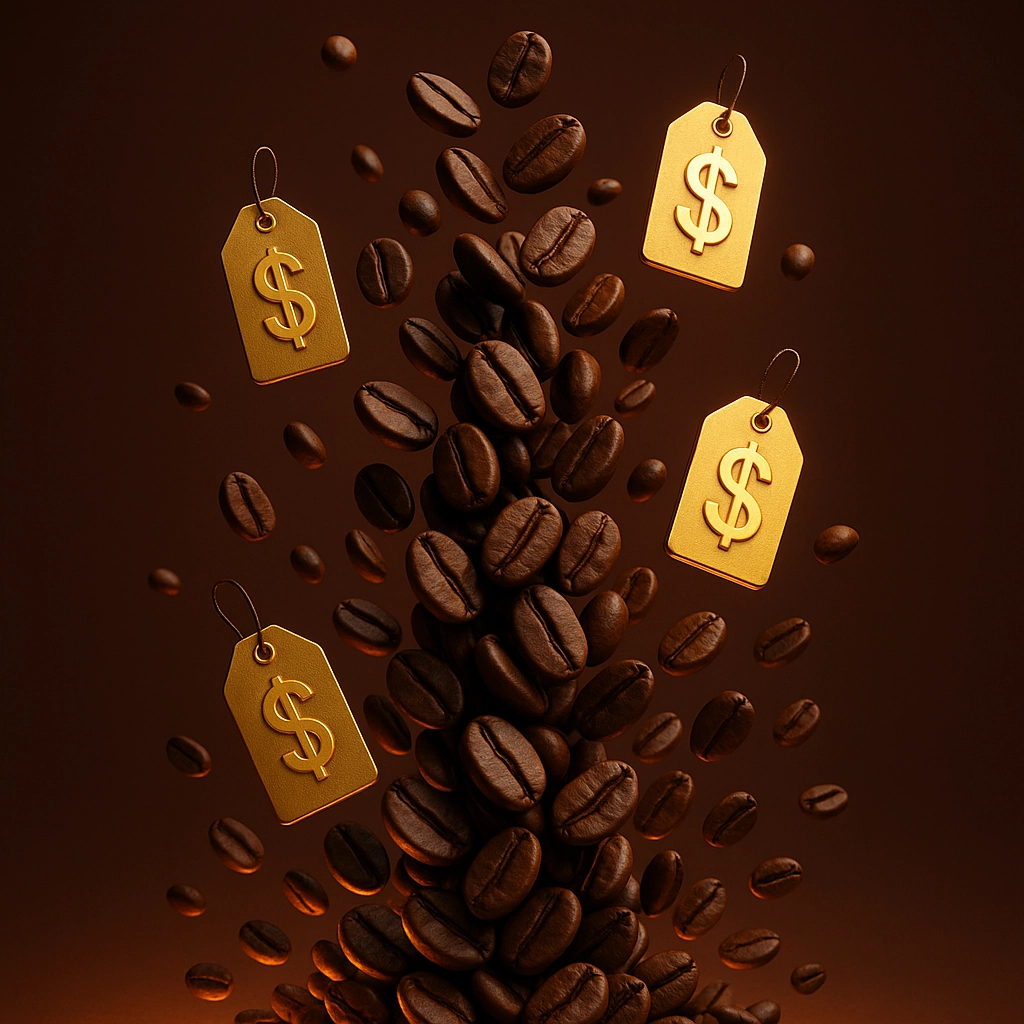
Raw coffee prices jumped almost 25% in a single month between July and August. To put that in perspective, a 60-kilogram bag that used to cost around $315 is now going for about $395. That's not pocket change for anyone in this business.
In Brazil, retail coffee prices are still sitting at an average of about $10 per kilogram, but industry experts are warning that if futures markets stay this high, those prices are going to have to go up. The only reason they haven't jumped yet is that retailers are still working through inventory they bought at lower prices.
The really crazy part? Global coffee production is actually forecast to hit a record high of 178.7 million bags this year. So we're looking at more coffee being produced than ever before, but prices are still skyrocketing. That's the power of climate uncertainty and trade tensions for you.
Arabica futures in New York hit a 3.5-month high, with investors jumping in and out so fast it's making everyone dizzy. December contracts have been particularly volatile as traders try to figure out what's actually going to happen in the next few months.
Policy Updates That Are Shaking Things Up
Here's where things get really intense. The trade tensions between the US and major coffee-producing countries have reached what can only be described as insane levels.
The current administration has slapped a 20% tariff on Vietnamese goods (which was actually reduced from an initial 46%—imagine that), and here's the kicker: a 50% tariff on Brazilian goods. Fifty percent! When you're targeting the world's top two coffee-producing countries with tariffs like these, you're basically declaring war on everyone's morning routine.
Industry experts are calling this situation "an earthquake hitting a place that's in the middle of a hurricane." Brazil and Vietnam produce 55% of the world's coffee, so when you make it super expensive to import from these countries, you're affecting literally everyone who drinks coffee.
Coffee companies are issuing urgent warnings about what these policies mean for supply chains that were already stressed by climate issues. It's like watching a slow-motion disaster unfold, and everyone knows it's going to hit consumers' wallets hard.

The Brazilian Coffee Industry Association has been pretty blunt about what this means—if futures stay elevated, higher prices at the grocery store are "inevitable." They're not even trying to sugarcoat it anymore.
Fun Coffee News (Because We Need Some Good Vibes)
Okay, let's take a breather from all the doom and gloom and talk about some of the lighter coffee news that happened this week.
A coffee shop in Melbourne started offering "climate anxiety" lattes, where they donate a portion of proceeds to environmental causes. The drink itself is a regular latte, but it comes with a side of activism that's apparently really resonating with customers.
In Japan, a new trend called "disaster preparedness coffee" is taking off—basically premium instant coffee designed for emergency kits. It sounds weird, but considering everything that's happening in the coffee world, maybe it's not such a crazy idea.
And in what might be the most 2025 story ever, a startup announced they're using AI to predict which coffee farms are most likely to be affected by climate change, then working directly with those farmers to help them adapt. Technology meets sustainability meets your morning caffeine fix.

Social media has been going wild with "coffee shortage prep" videos, where people show off their home coffee hoarding setups. It's equal parts hilarious and concerning, but you have to admire the dedication to never missing that morning cup.
Looking Ahead
So where does this leave us? Well, if you're a coffee lover (and let's be honest, if you're reading this, you probably are), this week has been a reminder that our beloved beverage exists in a pretty complex and fragile global system.
The combination of climate challenges, trade tensions, and supply chain pressures is creating a situation that none of us have seen before. While production numbers look good on paper, the reality on the ground is much more complicated.
For those of us at Woodpeckers Coffee Trading House, these developments reinforce why we focus so much on building direct relationships with growers and supporting sustainable practices. When the global supply chain gets this volatile, those relationships become even more important.
The silver lining? The coffee industry has always been incredibly resilient and innovative. Every challenge we've discussed—climate change, price volatility, policy uncertainty—is spurring new solutions and approaches that might actually make the industry stronger in the long run.
Stay tuned for next week's roundup, and in the meantime, maybe appreciate that morning cup a little extra. It's been through quite a journey to get to you.
Comments